
Exploring the Ancient Trading Port of Kuntasi: A 2025 Guide
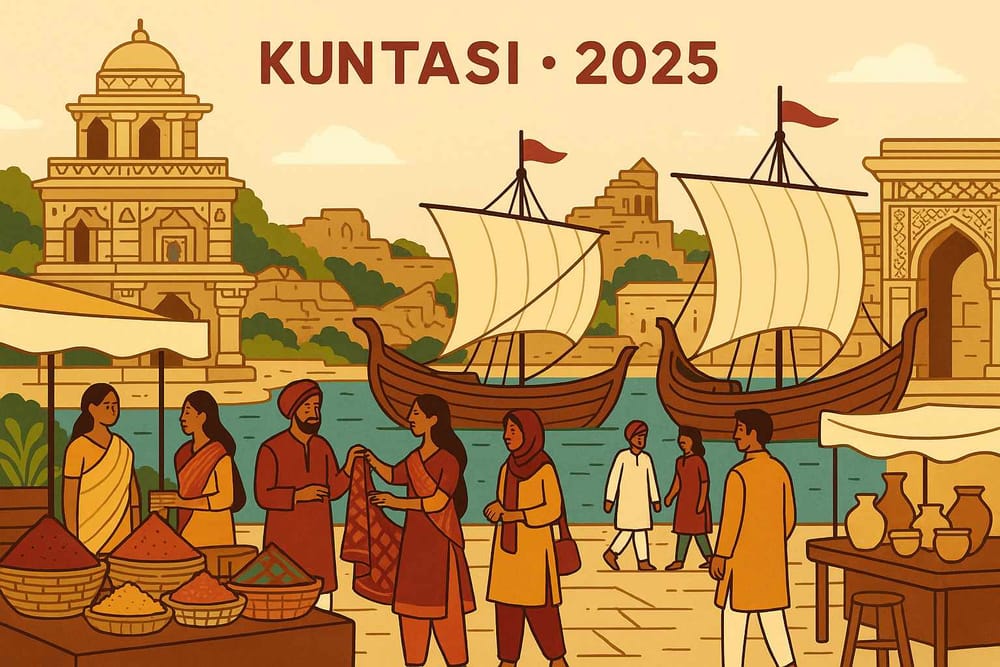
There's a certain magic in standing on land that has witnessed centuries go by. Close your eyes for a moment and imagine a bustling port, not on the sea as we know it today, but on the banks of the mighty Phulki River. The air is thick with the sounds of commerce, the chatter of merchants from faraway lands, and the smell of goods being loaded onto sturdy ships. This isn't a scene from a movie; this was the reality of Kuntasi, a forgotten jewel of the Indus Valley Civilization right here in our Gujarat.
Located in the Morbi district, this ancient site, known locally as Bibi-no-Timbo, was once a thriving gateway connecting our ancestors to the world. A journey to Kuntasi in 2025 is more than just a trip; it's like a pilgrimage to the very roots of our Indian heritage, a chance to listen to the stories whispered by the wind and earth.
A Glimpse into a Thriving Harappan Basti: The Story of Kuntasi
Between 2200 and 1700 BCE, Kuntasi wasn't just a port; it was a vibrant, well-planned town humming with activity. Think of it as one of the most important economic hubs of its time. Its strategic location was no accident. From here, ships laden with Indian treasures like cotton, exquisite beads, and fine pottery would set sail for the Gulf countries, reaching as far as Mesopotamia. It was a crucial link in the grand network of the Harappan civilization.
What truly made Kuntasi special was its focus on trade. Unlike bigger Harappan cities that had grand citadels for rulers, Kuntasi was designed for business. It was a fortified town, protected by a strong double wall and a watchtower, showing just how valuable the goods passing through its gates were. It was a city built by traders, for trade.
What the Whispers from the Ruins Tell Us
When archaeologists gently uncovered the layers of time at Kuntasi, they found more than just bricks and stones. They found a story of a hardworking and incredibly skilled community. The discovery of stone anchors and a well-designed quay confirmed its role as a busy port, but the real magic lies in the smaller details.
- A Hub of Art and Craft: Imagine entire workshops dedicated to making beautiful beads from agate, carnelian, and steatite. They even found large quantities of Lapis Lazuli, a deep blue stone highly prized in ancient times, suggesting it was a major export. This tells us that the people of Kuntasi were not just traders but also master artisans.
- Advanced Living and Planning: The homes here were built on strong stone foundations with mud-brick walls, designed to last. They even found a large, separate kitchen area in one part of the town. This gives us deep insights into the daily life and social structure of the people who called this place home.
Planning Your Pilgrimage to the Past: A 2025 Guide
A trip to Kuntasi requires a bit of planning, but the experience is truly worth it. The best time to visit is during the winter months, from October to March. The Gujarat climate is mild and lovely then, and you might even get to experience the vibrant energy of festivals like Uttarayan.
Reaching Kuntasi is quite straightforward. It is located in the Maliya taluka of Morbi District, just 30 km from the main city of Morbi, and is well-connected by road. When you plan your stay, you can find everything from budget-friendly guesthouses to beautiful heritage hotels in the area that offer a taste of warm Gujarati hospitality.
A few things to remember for your visit: wear comfortable walking shoes as you'll be exploring an active archaeological site. Carry water to stay hydrated, and of course, a camera to capture the timeless beauty of the ruins. Taking a guided tour can be a wonderful idea, as the local guides often share stories and details that you won't find in books.
Kuntasi: More Than Just Stones and Bricks
Many people wonder what makes a place like Kuntasi so special. It’s known as a Harappan trading port, but its real importance lies in how it connects us to our past. The well-preserved ruins, the dockyards, and the artifacts found here offer a direct window into the lives of our ancestors.
We can learn so much from the things they left behind. The pottery tells us about their artistic sensibilities, the seals and weights about their organized trade practices, and the layout of the town about their community planning. Exploring this ancient gateway to the past is a deeply moving experience that fills you with a sense of pride and wonder for our rich virasat.
Connecting with Our Heritage Through Bhaktilipi
Exploring places like Kuntasi is, in its own way, a form of bhakti – a devotion to our roots, our culture, and the stories that have shaped us. It’s about feeling a connection to the thousands of generations that came before us. This is the very feeling we at Bhaktilipi strive to nurture.
At Bhaktilipi.in, we are dedicated to preserving and sharing the timeless devotional literature and cultural stories of India. We believe that understanding our history is a spiritual journey in itself. We bring you tales of faith, heritage, and devotion, reimagined for today's world, so that this sacred knowledge is never lost.
If stories like that of Kuntasi touch your heart, we invite you to join our community. Discover more inspiring content that connects you to the soul of India.
Follow us on our journey to preserve our beautiful heritage:
By subscribing to our platforms, you’ll stay updated on new posts, inspiring videos, and reflections that deepen your connection to our spiritual traditions. Let's explore and celebrate the beauty of our heritage together!
A passionate group of people dedicated to preserving India's knowledge of Dharma, Karma, and Bhakti for ourselves and the world 🙏.