
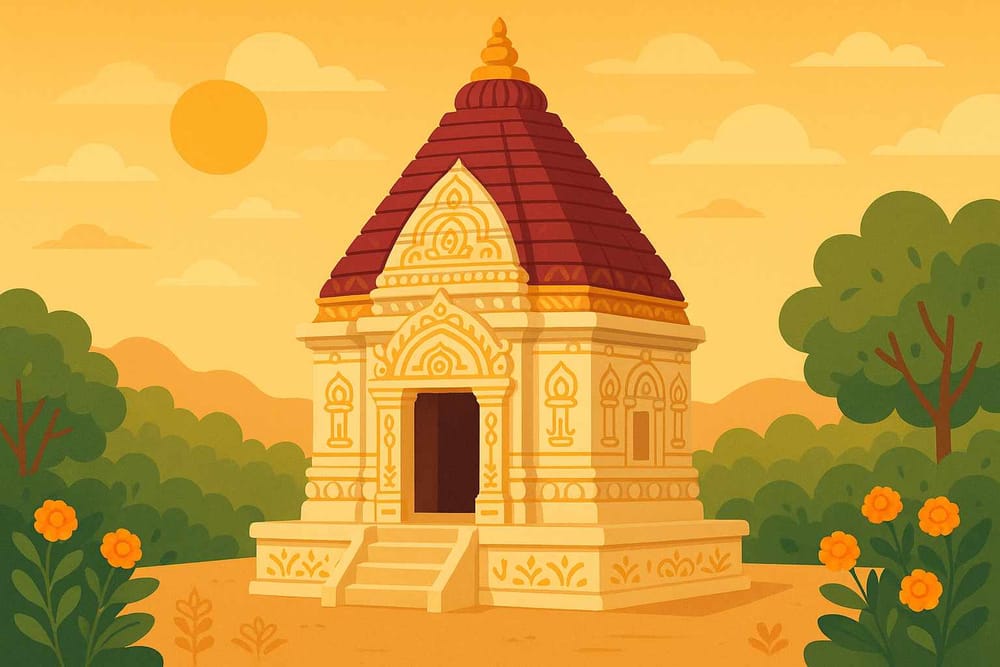
Khakhara Deula Architecture: Odisha Temples Showcase Ancient Marvels
There are stories etched in stone, and then there are stones that tell an entire saga. In Odisha, a land where every corner hums with divine energy, some whispers from the past are more unique, more mysterious than others. Today, I want to share one such story with you—a journey into the heart of the Khakhara Deula, a temple style that feels like a beautiful, untold secret of ancient Kalinga.
Unlike the soaring shikhars that pierce the sky, these temples have a gentle, grounded presence, yet they hold a power that is profoundly feminine and deeply spiritual. Let's explore these architectural marvels together.
A Divine Blueprint: The Roots of Khakhara Deula
Our story begins with the Bhaumakara dynasty, who ruled Odisha between the 8th and 10th centuries. This wasn't just a time of kings and kingdoms; it was a period of great spiritual churning. Tantric practices and the worship of Shakti, the divine feminine energy, were blossoming across the land. The existing temple designs, mostly dedicated to male deities like Vishnu and Shiva, needed a new form to house this powerful feminine energy. And so, the Khakhara Deula was born.
These temples became the sacred homes for fierce goddesses like Chamunda and Durga. Built with locally sourced laterite and sandstone, these structures are a testament to the genius of ancient artisans. The choice of stone was practical—it was durable and easy to carve, allowing for the creation of incredibly detailed sculptures that still leave us in awe.
What Makes a Khakhara Deula Temple So Special?
When you see a Khakhara Deula, you know it instantly. It doesn't look like any other temple. Its identity is unique, defined by a few key features that are as symbolic as they are beautiful.
- The Barrel-Shaped Roof (Gaja-Prasta): This is the most iconic feature. The elongated, semi-cylindrical roof is often compared to a 'khakhara' or a type of pumpkin, hence the name. Spiritually, this shape is deeply significant. It is seen as representing a celestial chariot for the goddess or, in Tantra, the sacred yoni, the source of all creation. It’s a powerful symbol of feminine energy.
- The Rectangular Sanctum: While other Kalinga temple styles like Rekha and Pidha often have square plans, the Khakhara Deula is distinctly rectangular. This layout was designed specifically for the tantric rituals associated with goddess worship, providing a functional space for ceremonies and gatherings that differed from traditional Vedic practices.
- A Canvas of Intricate Carvings: The walls of these temples are alive with stories. You’ll find exquisite carvings of deities, scenes from mythology, beautiful floral patterns, and graceful creepers. The entrance is often guarded by imposing dwarapalas (guardian figures), carved with such precision that they seem ready to spring to life.
This beautiful balance of a relatively simple structure with highly ornate details is what makes the Khakhara Deula a masterpiece of balance and devotion. This thoughtful design is a common thread you can see when you explore the majestic ruins of ancient Odisha.
Where to Witness These Ancient Marvels
While not as numerous as other temple types, the existing Khakhara Deulas are precious gems that continue to inspire wonder.
- Vaital Deula, Bhubaneswar: Perhaps the most famous example, this 8th-century temple is a must-visit. Its atmosphere is thick with tantric symbolism and history. The carvings inside, especially of the fierce Chamunda, are both awe-inspiring and humbling, offering a direct glimpse into ancient Shakti worship.
- Gouri Temple, Bhubaneswar: Located within the Kedar-Gouri temple complex, this temple is another fine example of the Khakhara style. It is dedicated to Goddess Gouri (Parvati) and radiates a serene, divine energy, showcasing the artistic and spiritual depth of the era.
- Varahi Deula, Chaurasi: Situated in a quiet village, this temple is dedicated to Goddess Varahi. It’s renowned for its exquisite sculptures and is one of the most well-preserved temples of its kind, offering a peaceful and deeply spiritual experience away from the bustling cities.
The Enduring Soul of Khakhara Temples
These temples are more than just architectural wonders; they are cultural landmarks that hold immense spiritual weight. They remind us of a time when the worship of the divine feminine was central to society. Rituals like Durga Puja and Chandi Path find their ancient roots in the practices performed within these sacred walls, connecting us to a lineage of devotion that has flowed for centuries.
At Bhaktilipi, we believe in keeping these traditions alive. Our mission is to share these timeless stories and the profound wisdom they hold. By understanding the history and significance of places like the Khakhara Deula temples, we can enrich our own spiritual journeys. We bring you authentic devotional literature and items that help you connect with this rich heritage right from your home.
If your heart seeks to dive deeper into our shared spiritual culture, you'll find a welcoming space with us. Explore our collection of soul-stirring literature on the Bhaktilipi platform.
Diving Deeper: Your Questions Answered
Many people are curious about what makes the Khakhara Deula style so unique. A common question is how it differs from other temple styles in Odisha. The key difference lies in its barrel-vaulted roof and rectangular plan, which sets it apart from the tall, curving towers of the Rekha Deula (like the Lingaraj Temple) or the pyramid-shaped roofs of the Pidha Deula (seen in the Konark Sun Temple).
Another point of interest is the spiritual tradition associated with these temples. Yes, the Khakhara Deula architecture is intrinsically linked to Tantric practices and the Shakti cult. This is why they are almost exclusively dedicated to powerful goddess forms like Durga, Chamunda, or Varahi, embodying the fierce and nurturing aspects of the divine feminine.
People also ask if this style is found outside Odisha. The answer is no; this architectural form is a unique gift of Odisha to the world, making it an incredibly precious part of the region's cultural identity. It showcases the incredible diversity and evolution within Kalinga architecture, a journey you can also sense in other magnificent structures like the Tirthesvara Siva Temple.
A Legacy Carved in Stone
The Khakhara Deula temples are a powerful reminder of Odisha's glorious past and the devotion that fueled its artistic genius. They stand as enduring symbols of faith, artistry, and a deep respect for the divine feminine.
Exploring these architectural marvels is like stepping back in time—a chance to connect with history, spirituality, and tradition all at once. By cherishing and preserving these treasures, we honour the vision of our ancestors and ensure their legacy continues to inspire generations. Whether you are a devotee, a history lover, or simply a curious soul, the Khakhara Deula temples welcome you with their timeless charm and profound stories.
About Bhaktilipi
© 2025 Bhaktilipi – Crafted with devotion.
Bhaktilipi is your trusted source for timeless devotional literature and inspiring stories. We preserve and share the rich cultural heritage of India, making it accessible to modern readers.
Stay updated with more such enriching content by subscribing to our newsletter or following us on social media:
Join us to explore, learn, and celebrate India's devotional heritage.
A passionate group of people dedicated to preserving India's knowledge of Dharma, Karma, and Bhakti for ourselves and the world 🙏.