

Multan's Mystique: Shah Rukn-e-Alam's Tomb Explained
There are some places that you don't just see; you feel them in your soul. The moment you witness the grand mausoleum of Shah Rukn-e-Alam rising against the Multan sky, you understand. It's not just bricks and mortar; it’s a living testament to faith, a masterpiece of architecture that has watched over the 'City of Saints' for centuries. This isn't just a historical monument; it's a sanctuary where countless prayers have echoed and found solace. Let's take a journey together to understand the profound story behind this spiritual marvel.
The Saint Known as the 'Pillar of the World'
To truly appreciate the tomb, we must first know the saint it honours. Sheikh Rukn-ud-Din Abul Fateh, lovingly known as Shah Rukn-e-Alam (1251–1335), was a revered Sufi saint of the Suhrawardi order. His title, 'Rukn-e-Alam', translates to the 'Pillar of the World'—a name bestowed upon him for his immense spiritual wisdom and his efforts in spreading the message of love, tolerance, and devotion. His teachings were like a gentle river, attracting followers from every corner of South Asia who sought peace and guidance.
The story of the tomb itself is fascinating. It was originally built between 1320 and 1324 by Ghiyas-ud-din Tughlaq, the then Sultan of Delhi, who perhaps intended it for his own final resting place. But destiny had other plans. In a gesture of immense respect, the magnificent structure was gifted to the family of Shah Rukn-e-Alam, cementing its place as a sacred spiritual landmark for generations to come. This act beautifully symbolises the deep connection between the political power of the Delhi Sultanate and the spiritual heart of Multan.
An Architectural Marvel Whispering Tales of Faith
The Tomb of Shah Rukn-e-Alam is considered one of the most impressive examples of Tughluq architecture, even predating similar monuments in Delhi. Its design is a harmonious blend of strength and beauty, reflecting profound Sufi principles.
- A Unique Octagonal Design: The mausoleum stands on a distinctive three-tiered octagonal base, a design that was revolutionary for its time in the subcontinent. This symmetrical structure, representing cosmic harmony and unity, rises about 100 feet high, supported by massive buttresses that have allowed it to withstand the test of time.
- A Symphony in Brick and Tile: The exterior is a visual delight, crafted from rich red bricks and adorned with intricate glazed tiles in shades of blue and white. This signature style of Multan creates a stunning contrast that captivates every visitor. The walls are embellished with geometric patterns, floral motifs, and beautiful calligraphy, showing a blend of Persian, Central Asian, and local artistic influences.
- The Majestic Dome: Crowning the structure is a massive hemispherical dome, one of the largest in South Asia. Interestingly, it is topped with a feature that resembles the amalaka found on Hindu temples, a beautiful symbol of the region's composite culture. Inside, the vast, open space inspires a sense of awe, with a beautifully carved wooden mihrab pointing towards Mecca—one of the earliest examples of its kind.
For those fascinated by the intricate details and the grandeur of this monument, you can explore the magnificence of Shah Rukn-e-Alam's tomb in our detailed guide.
A Beacon of Spiritual Solace for Millions
Even today, centuries later, the tomb is a vibrant spiritual hub. It is not a silent relic of the past but a place of active devotion, open to all who seek peace. Pilgrims travel from far and wide to pay their respects, offer prayers, and soak in the serene atmosphere. Many come here with hearts full of wishes, seeking the blessings of the great saint.
The air is often thick with the fragrance of incense and roses, as devotees offer flowers and recite holy verses. The annual Urs festival, commemorating the saint's death anniversary, is a sight to behold, drawing over 100,000 pilgrims. It’s a time of immense devotion, with spiritual music, prayers, and communal meals that strengthen the bonds of community.
Inside, the sarcophagus of Shah Rukn-e-Alam is surrounded by the graves of 72 of his relatives. Many believe this number is a poignant allusion to the 72 martyrs of Karbala, adding another layer of deep spiritual significance to the shrine. Perched atop the old Qila Kohna Qasim Bagh Fort, its elevated position gives it a commanding view of the city, making it a visible symbol of hope and faith for all of Multan.
A Legacy That Continues to Inspire
The Tomb of Shah Rukn-e-Alam is a timeless symbol of devotion, artistry, and the rich cultural fabric of our land. It reminds us of the enduring legacy of Sufi saints who preached a message of love and unity. Visiting this sacred place is a deeply moving experience, whether you go to seek blessings, admire the architectural genius, or simply connect with a profound chapter of our history. By understanding and preserving such sites, which are now on UNESCO's Tentative List for World Heritage, we honour the values that continue to shape our identity.
To delve deeper into the historical context, we invite you to read about exploring the legacy of Shah Rukn-e-Alam from a historical perspective.
Connect with Your Spiritual Roots at Bhaktilipi
At Bhaktilipi, we believe that stories like that of Shah Rukn-e-Alam are the threads that weave our cultural and spiritual heritage together. Our digital space is dedicated to preserving and sharing this timeless devotional literature and wisdom in a way that resonates with today's world.
If you feel a connection to these traditions and seek to explore them further, Bhaktilipi is your companion on this journey. We bring you authentic content, from the stories of great saints to the meaning behind sacred rituals, to help you deepen your understanding and connect with your spiritual roots.
Stay connected with our community for regular inspiration and insights:
- Subscribe to our YouTube channel: Bhaktilipi on YouTube
- Follow us on Instagram: @bhakti_lipi
- Join us on Facebook: Bhaktilipi Official
Sign up for our newsletter today and let us bring the richness of our traditions straight to your inbox!
A passionate group of people dedicated to preserving India's knowledge of Dharma, Karma, and Bhakti for ourselves and the world 🙏.
Comments
Related in
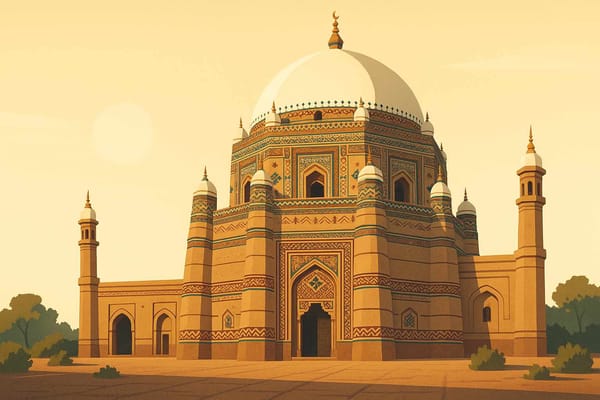
Mystical Architecture: Shah Rukn-e-Alam Tomb Explored
Some places don't just exist in brick and mortar; they breathe with the prayers of centuries. Standing in Multan, the ancient 'City of Saints', you feel this in the very air. My heart felt a pull towards one particular monument that rises against the sky like
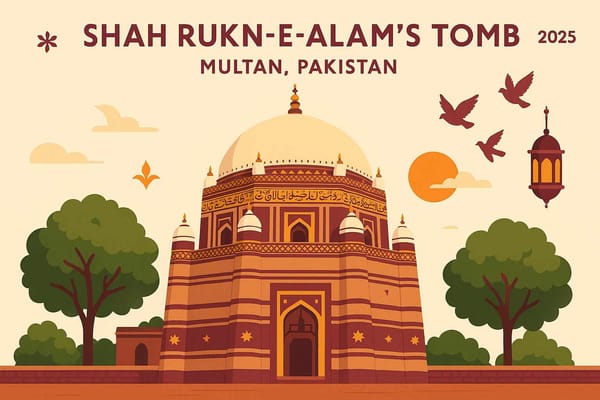
Explore the Mystical Charm of Shah Rukn-e-Alam's Tomb: A 2025 Guide
Some places aren't just destinations on a map; they are feelings, they are echoes of history, and they are deep, silent prayers. Imagine standing under the vast Multan sky, your eyes fixed on a magnificent dome of brilliant blue and turquoise. This isn't just a building;
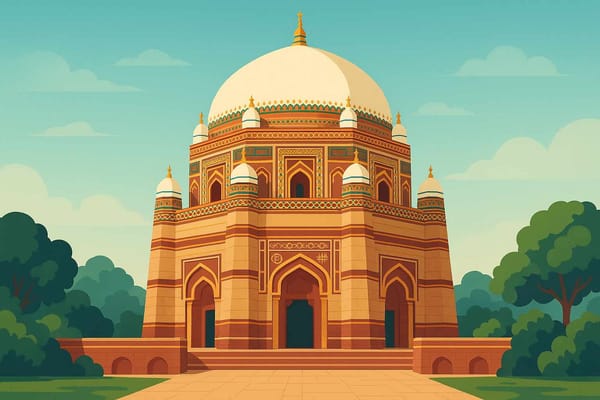
Mystical Tomb of Shah Rukn-e-Alam - History Explores
There are some places in the world where the air itself feels different, heavy with history and whispered prayers. Multan, the legendary 'City of Saints,' is one such place. As you walk its ancient streets, you can almost feel the echoes of centuries of devotion. And at the