Pemayangtse Monastery Visitor's Guide: Explore Sikkim's Sacred Site
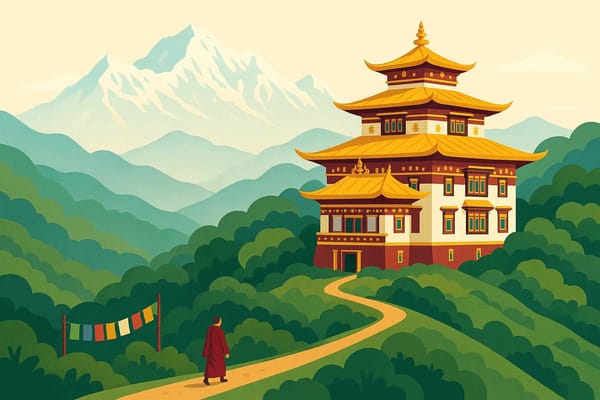
There are some places that you don't just see with your eyes; you feel them with your entire being. The crisp mountain air fills your lungs, the faint sound of chanting calms your racing thoughts, and the majestic sight of Kanchenjunga in the distance makes you feel incredibly small yet deeply connected to something vast. This is the feeling that washes over you as you approach Pemayangtse Monastery near Pelling in West Sikkim. It’s more than a destination; it’s an experience, a spiritual homecoming.
I remember my first visit, the winding roads leading up to this haven of peace. It felt like leaving the chaos of the world behind and stepping into a timeless story. Let me share with you why this sacred place is a must-visit for anyone seeking tranquility and a deeper connection to our rich heritage.
A Glimpse into History: The Legacy of the ‘Perfect Sublime Lotus’
Imagine, for over three centuries, this monastery has stood as a beacon of faith. Founded in 1705 by the revered Lama Lhatsun Chempo, Pemayangtse is one of the oldest and most significant monasteries in Sikkim. Its very name, which means ‘Perfect Sublime Lotus,’ hints at the purity and enlightenment it represents in Tibetan Buddhism. This wasn't just any monastery; it was originally intended for the ‘ta-tshang’ or the ‘pure monks,’ those of pure Tibetan lineage who were dedicated to the highest spiritual practices.
This sacred ground has witnessed the coronation of Sikkimese kings and has been a guiding light for countless devotees. Its deep connection to the sacred Dzongri pilgrimage route further cements its place as a spiritual powerhouse. Walking through its ancient halls feels like turning the pages of a living history book, where every corner whispers tales of devotion and royal legacy. You can delve deeper into the history of Pemayangtse to uncover its mystical allure and understand the stories that shaped it.
Where Art and Divinity Intertwine: The Architectural Marvel
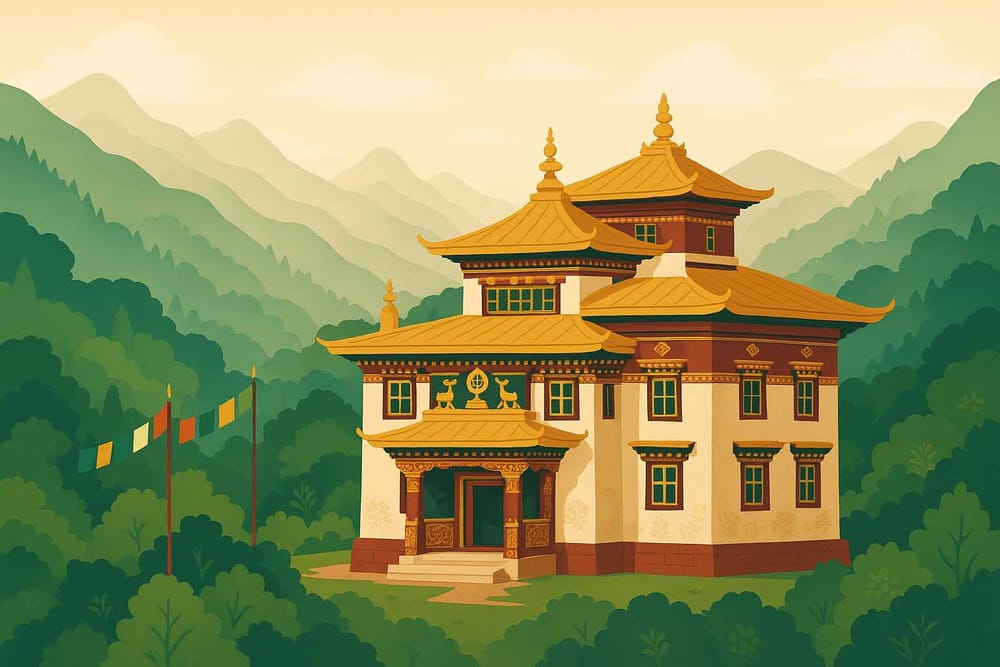
The beauty of Pemayangtse lies not just in its spiritual energy but also in its breathtaking architecture. The three-storied structure is a masterpiece, a beautiful marriage of Tibetan design and local craftsmanship. As you explore, you'll be captivated by the intricate wood carvings and vibrant murals that adorn the walls, each telling a story from Buddhist mythology.
But the true jewel is on the top floor: the Zangdok Palri. This seven-tiered wooden model is a stunning depiction of Guru Padmasambhava’s celestial palace. It’s said that it took the monks five whole years to craft this marvel, and as you look at its minute details, you can feel the love and devotion poured into it. The main prayer hall is equally mesmerising, with towering statues of Buddhist masters, surrounded by ancient scriptures and beautiful thangkas that seem to radiate wisdom.
Planning Your Spiritual Retreat: A Complete Visitor’s Guide
A journey to such a serene place deserves a bit of planning to make it truly memorable. Many travellers often wonder about the practical details, so let's walk through them together, making your visit as smooth and fulfilling as possible.
When is the best time to visit Pemayangtse Monastery?
To truly soak in the beauty of this place, plan your visit during the pleasant months of March to June or from September to December. During these times, the weather is clear, the skies are a brilliant blue, and the views of the Himalayas are simply spectacular. For a truly unique cultural experience, a winter visit can be magical. The monastery, often dusted with snow, hosts the vibrant Chaam dance festival around February, where monks in elaborate masks narrate stories of good triumphing over evil.
How do you reach this haven of peace?
Getting to Pemayangtse is a journey in itself. The nearest airport is Bagdogra Airport (IXB) in West Bengal, about 160 km away. The closest major railway station is New Jalpaiguri (NJP). From either of these points, you can hire a taxi for a scenic drive to Pelling, the town closest to the monastery. The monastery itself is just a short 2 km walk or taxi ride from Pelling, making it very accessible for visitors.
What to know before you go
- Timings and Entry: The monastery is generally open for visitors from 9:00 AM to 6:00 PM. There is a nominal entry fee of around ₹20 per person, a small contribution that goes towards the upkeep of this precious heritage site.
- Respectful Attire and Conduct: As this is a place of worship, it’s important to dress modestly. It’s best for both men and women to wear clothes that cover their shoulders and knees. Remember to remove your footwear before entering the main prayer hall and maintain a respectful silence to preserve the tranquil atmosphere.
- Photography: While you can capture the stunning exteriors, photography is often restricted inside the main prayer hall to maintain its sanctity. It’s always a good practice to ask for permission before taking pictures, especially of the monks.
- Accommodation: Pelling offers a wide range of hotels and guesthouses that cater to all budgets. Staying here provides a comfortable base to explore Pemayangtse and other nearby attractions at a leisurely pace, making it perfect for family visits.
Beyond the Monastery: Exploring Sikkim’s Treasures
Your journey doesn’t have to end at the monastery gates. The area around Pelling is dotted with other incredible sights.
- Rabdentse Ruins: Just a short distance away lie the ruins of Sikkim's second capital. A walk through this archaeological site feels like stepping back in time, offering a fascinating glimpse into the region's royal past.
- Khecheopalri Lake: Known as the 'wishing lake,' this sacred body of water is revered by both Buddhists and Hindus. The serene environment and the belief that the birds don't allow a single leaf to float on its surface make it a truly mystical spot.
- Sangachoeling Monastery: For those who enjoy a bit of a hike, a visit to this monastery, one of the oldest in Sikkim, offers panoramic views and another dose of spiritual solace.
Why Bhaktilipi is Your Companion on Spiritual Journeys
Exploring sacred sites like Pemayangtse deepens our connection to our roots and spirituality. At Bhaktilipi, we believe in making this wisdom accessible. We are a digital space dedicated to preserving and sharing timeless devotional stories and literature in a way that resonates with today’s world. Whether you're planning a trip or simply wish to learn more from the comfort of your home, Bhaktilipi offers authentic knowledge to guide your spiritual curiosity.
Stay connected with our community for more such inspiring content. Subscribe to our YouTube channel, follow us on Facebook and Instagram, and join our newsletter for updates straight to your inbox!
A Final Thought from the Heart
A visit to Pemayangtse Monastery is not just about ticking a place off your travel list. It’s an opportunity to pause, reflect, and reconnect with yourself. The serene chants, the vibrant colours, and the majestic Himalayas all come together to create an experience that stays with you long after you’ve left. It’s a journey to the heart of Sikkim’s heritage and, perhaps, a little closer to your own inner peace.
A passionate group of people dedicated to preserving India's knowledge of Dharma, Karma, and Bhakti for ourselves and the world 🙏.
Comments
Related in
Pemayangtse Monastery's Spiritual Essence: A 2025 Guide
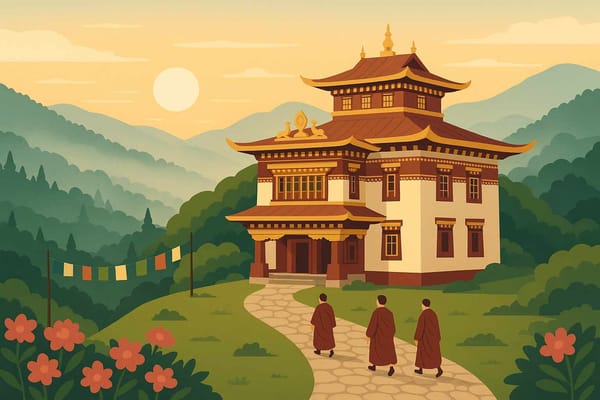
There are some places on Earth where the air itself feels different, heavy with prayers whispered over centuries. The moment you step into the vicinity of Pemayangtse Monastery in Sikkim, you feel a profound shift. The chaotic hum of the world fades away, replaced by a serene silence that speaks
Pemayangtse Monastery's Spiritual Essence: A 2025 Guide
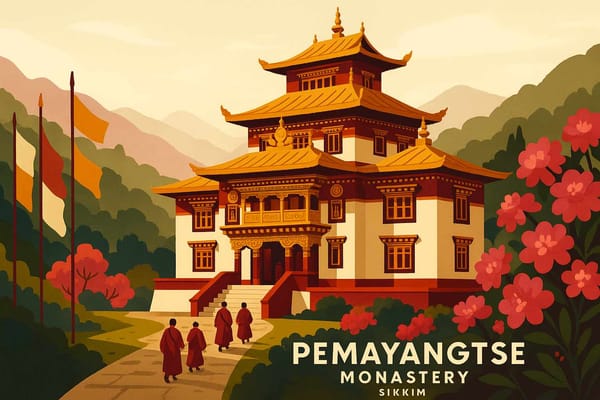
Some journeys are not just about reaching a destination; they are about finding a part of yourself you didn't know was missing. My quest for such a place led me to the gentle slopes of West Sikkim, where, nestled amidst the clouds, lies the Pemayangtse Monastery. The name
Pemayangtse Monastery's Heritage: A 2025 Guide
There are some places that you don't just see; you feel them in your soul. Imagine standing in the crisp mountain air of West Sikkim, the colourful prayer flags whispering ancient chants in the wind, and before you, a structure that seems to hold centuries of peace within