
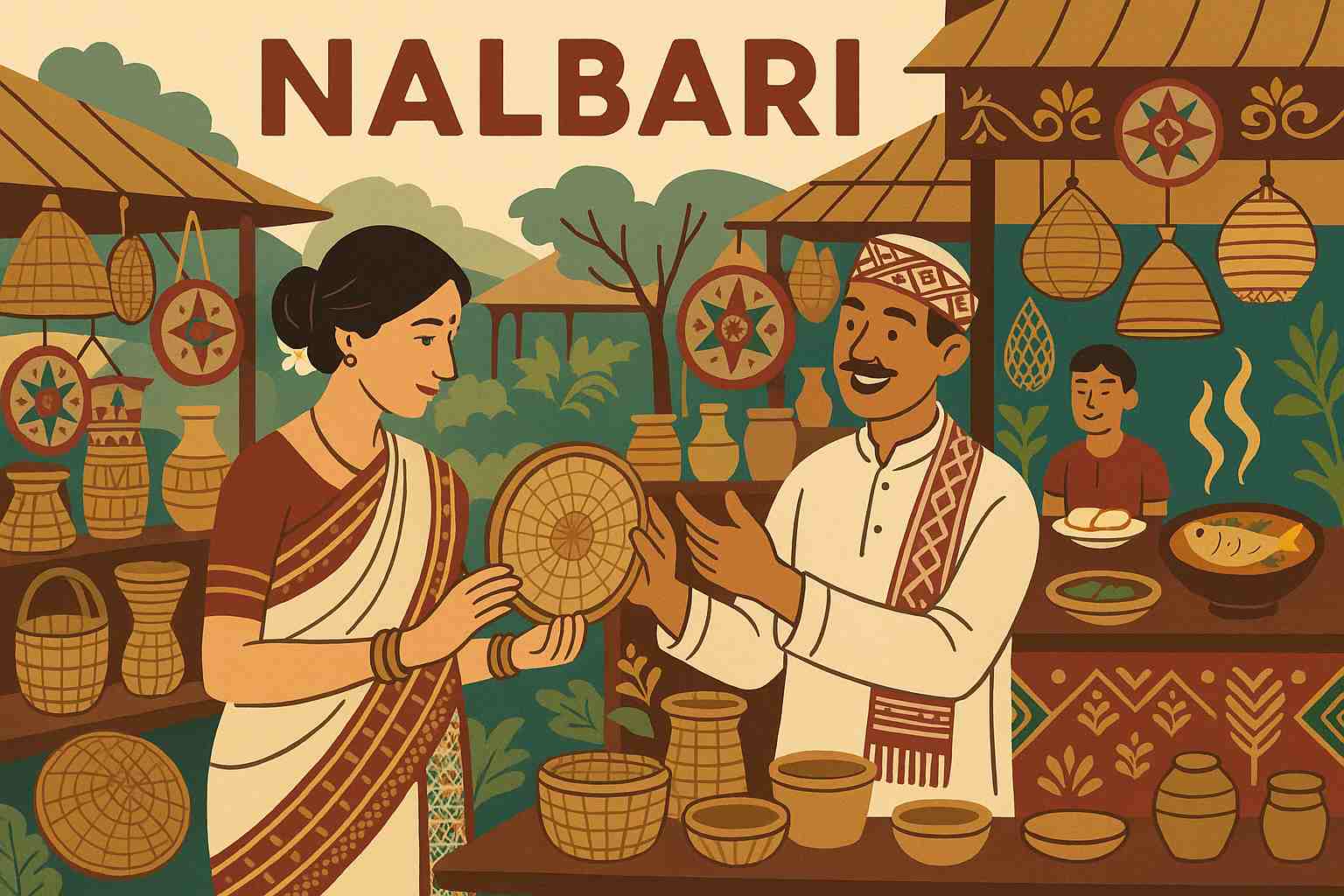
The Cultural Soul of Nalbari - Local Handicrafts and Cuisine Guide
There's a certain magic in Assam's heartland, a feeling that goes beyond its famous tea gardens and sprawling rivers. It's a rhythm you feel in the click-clack of a handloom, a fragrance that wafts from a simple village kitchen. I recently found myself completely enchanted by one such place – Nalbari. It’s not just a district; it's a living, breathing museum of traditions, a place where every craft tells a story and every meal is a celebration of heritage.
For those of us who feel a deep pull towards our roots, exploring places like Nalbari is like coming home. It’s a reminder that our culture is not just in history books, but in the skilled hands of our artisans and the age-old recipes passed down through generations.
The Legacy of Nalbari's Karigari: Handicrafts That Speak Volumes
Nalbari’s true wealth lies in its artistic heritage. The local artisans, or karigars, are the keepers of ancient skills, transforming simple, natural materials into objects of breathtaking beauty and utility. This dedication to preserving tradition is a beautiful part of the larger story of Assam's rich cultural tapestry.
- Bamboo & Cane Work: The Green Gold of Assam
Nalbari is often called "a land of bamboo," and for good reason. Here, bamboo isn't just a plant; it's the lifeline of the community. In villages like Barimakha and Helana, you can witness artisans weaving magic with their hands, creating everything from intricate wall hangings and furniture to sturdy baskets and mats. This isn't just about making products; it's a sustainable way of life, a beautiful blend of traditional techniques and modern aesthetics. - Jaapi: The Crown of Assamese Hospitality
The Jaapi, a traditional conical hat, is perhaps one of the most recognizable symbols of Assam. Made from tightly woven bamboo and palm leaves, it’s a masterpiece of functional art. More than just protection from the sun and rain, offering a Jaapi is a gesture of immense respect and welcome, a true embodiment of Assamese hospitality. - Bell Metal Craft: The Sacred Sound of Tradition
The art of making bell metal (Kanh) items is one of Assam’s oldest and most revered crafts. The artisans of Nalbari create beautiful utensils, lamps, and ritualistic objects like the Xorai (a traditional offering tray). These items are not just decorative; they are an integral part of religious ceremonies and family traditions, cherished for their lustrous beauty and the pure sound they produce. - Eri Silk Weaving: A Story of Empowerment
Nalbari is a hub for the production of Eri silk, also known as the "peace silk" as the silkworms are not harmed in its production. This industry is transforming the local economy, especially by empowering women who are at the forefront of this craft. The elegant and durable fabrics they weave are highly sought after for weddings and festivals, carrying with them a story of tradition and progress. This passion for heritage crafts is something we see across India, much like the celebrated artistic traditions of West Bengal.
Bringing home one of these handcrafted treasures is more than just a purchase; it's a way of supporting these artisan communities and keeping their invaluable skills alive. At Bhaktilipi, we deeply believe in this connection, which is why our collection of authentic pooja items is sourced with immense respect for tradition and craftsmanship.
A Taste of Tradition: Exploring Nalbari's Culinary Delights
The food of Nalbari is simple, soulful, and deeply connected to the land. It’s a cuisine that relies on fresh, local ingredients and celebrates flavours that are both subtle and profound. Forget fancy restaurants for a moment; the true swaad of Nalbari is found in its home-cooked meals and traditional eateries.
- The Comfort of a Traditional Thali
One of the best ways to experience Nalbari's food is through a traditional thali. Restaurants like Na Khuwa offer a delightful spread, whether you choose a veg, fish, chicken, or duck thali. It's a complete meal that features fragrant Joha rice, lentils, seasonal vegetables, and a signature sour curry, giving you a perfect snapshot of Assamese flavours. - Masor Tenga: The Soulful Sour Fish Curry
No mention of Assamese cuisine is complete without Masor Tenga. This light and tangy fish curry, often made with tomatoes or lemon, is the ultimate comfort food. It’s a dish that represents the heart of Assamese home cooking—simple, flavourful, and incredibly satisfying. - Pitha: A Festive Treat for Every Occasion
Pitha are traditional rice cakes that are an essential part of any Assamese festival, especially Bihu. Made with rice flour, jaggery, and coconut, these sweet treats come in various forms, from the savoury to the sweet. Enjoying a warm pitha is like tasting a piece of Assamese celebration itself.
Embracing the Spirit of Nalbari
Nalbari’s cultural soul is a beautiful reminder of the joy found in preserving our heritage. Every handwoven fabric tells a story of dedication, and every local dish carries the essence of generations of tradition. By supporting Nalbari's artisans and savouring its culinary treasures, we do more than just travel; we connect with the very heart of our culture. Let this vibrant land inspire you to celebrate your roots, one craft and one dish at a time.
Frequently Asked Questions About Nalbari's Culture
What are Nalbari's most cherished handicrafts?
Nalbari is most famous for its bamboo and cane products, which are both beautiful and eco-friendly. You will find everything from furniture to decorative items. The region is also renowned for its traditional Jaapi hats, bell metal work used in rituals, and the exquisite Eri silk textiles.
Where can I find authentic Nalbari crafts?
The best place to find authentic handicrafts is in the local markets and artisan workshops within Nalbari district. Visiting these places allows you to buy directly from the creators. Many artisans also showcase their work at regional fairs and government emporiums, which are great for finding genuine products.
What are the signature flavours of Nalbari's kitchen?
Nalbari is known for its traditional Assamese dishes. Key dishes include Masor Tenga (a tangy fish curry), various types of Pitha (rice cakes), and meals centered around fragrant Joha rice. The cuisine often uses local ingredients like bamboo shoots, mustard, and fresh river fish.
When is the best time to experience Nalbari's local culture?
Festivals like Bihu and Durga Puja are wonderful times to visit. During these celebrations, the local culture is on full display. The markets are bustling with traditional crafts, and households are busy preparing festive delicacies, offering a truly immersive cultural experience.
Are handicrafts from Nalbari sustainable?
Absolutely. The majority of Nalbari's handicrafts are made from natural and locally sourced materials like bamboo, cane, and palm leaves. This makes them inherently eco-friendly and sustainable, reflecting a deep respect for nature that has been part of the culture for centuries.
About Bhaktilipi
Bhaktilipi is your trusted digital space for exploring and preserving India's timeless devotional literature, rituals, and traditions. We bring authentic knowledge about spiritual practices, cultural stories, and sacred crafts right to your fingertips, helping you connect with our rich heritage.
At Bhaktilipi, we aim to inspire today's generation by making our traditions accessible and relevant. Whether it's learning about the beautiful handicrafts of Nalbari or discovering the rituals behind our festivals, our platform offers insights that deepen your cultural and spiritual journey.
Stay connected with us for regular updates and engaging content:
- Facebook: BhaktilipiOfficial
- Instagram: bhakti_lipi
- YouTube: @Bhaktilipi
© 2025 Bhaktilipi – Crafted with devotion.
A passionate group of people dedicated to preserving India's knowledge of Dharma, Karma, and Bhakti for ourselves and the world 🙏.