
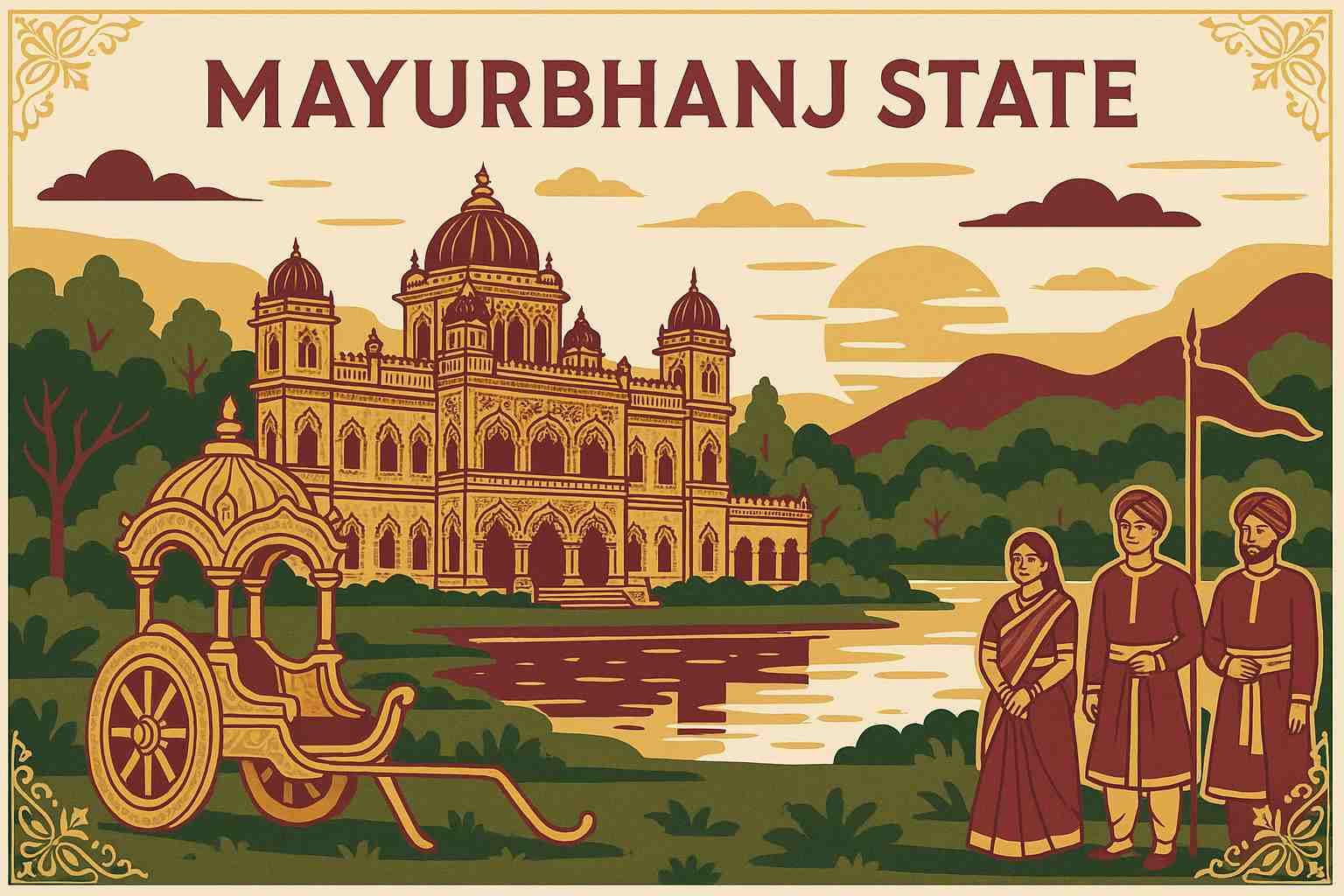
The Historical Significance of Mayurbhanj State-A 2025 Overview
Some places in India aren't just dots on a map; they are living, breathing stories. They hold the memories of kings, the rhythm of ancient dances, and the whispers of a forest deep within their heart. Mayurbhanj, nestled in the green embrace of Odisha, is one such place. It’s more than just a district; it's a journey back in time, a celebration of a heritage that is not just preserved in books but is vibrantly alive, even as we look towards 2025.
For anyone who feels a pull towards their roots, who finds solace in our country's rich past, the story of Mayurbhanj is like a homecoming. It’s a story of art, culture, and a vision that was far ahead of its time.
A Journey Through Time: The Roots of the Bhanja Kingdom
The history of this land is as ancient as the rocks in the Simlipal hills. Archaeologists have found traces of life here from the Stone Age! But the golden chapter of Mayurbhanj began with the rise of the Bhanja dynasty in the 12th century. They weren't just rulers; they were patrons of art, faith, and architecture. The kingdom was then known as Khijjinga Mandala, with its capital at Khijjinga Kotta (today's Khiching), a territory that was vast and influential.
Over the centuries, Mayurbhanj saw the tides of history change. It faced the might of Firoz Shah Tughlaq in the 14th century and later came under Mughal and Maratha influence. Yet, through it all, it held onto its unique identity. During the British Raj, it was recognised as the largest princely state in Odisha, commanding a 9-gun salute—a mark of its prestige and importance.
The Soul of Mayurbhanj: A Tapestry of Art and Culture
If you truly want to understand Mayurbhanj, you must witness its art. This is the celebrated land of art and culture in Odisha, and its greatest gift to the world is the Chhau dance. This is not just a performance; it’s a powerful, energetic martial dance form that tells stories of gods and heroes. Recognised by UNESCO, the Mayurbhanj style of Chhau is unique because the dancers don’t wear masks, letting their expressions, their very soul, convey the story. It's a breathtaking sight, a tradition passed down through generations.
But the creativity doesn't stop there:
- Timeless Crafts: The local artisans here are true magicians. They can shape metal into intricate stories through the ancient art of Dokra casting. They also weave wonders from Sabai grass, creating beautiful and useful items. These crafts are not just products; they are a livelihood and a legacy.
- Architectural Marvels: The ruins of Haripur, the ancient capital, whisper tales of a glorious past. The Rasikaraya Temple stands as a testament to the architectural vision of the Bhanja kings. Walking through these sites feels like turning the pages of a history book.
A Kingdom Ahead of Its Time: The Vision of a Maharaja
Mayurbhanj’s story is also one of progressive thinking. Maharaja Sriram Chandra Bhanj Deo, who ruled in the early 20th century, was a true visionary. Long before the idea of modern governance was widespread, he brought remarkable reforms to his kingdom. He established railways for better connectivity, started primary education for all, set up hospitals, and even formed a municipality in Baripada back in 1905.
He understood the importance of economic progress and collaborated with Jamsedji Tata to facilitate iron ore mining. This partnership was instrumental in the birth of Jamshedpur and the iconic Tata Steel. After India gained independence, Mayurbhanj gracefully merged with Odisha on January 1, 1949, contributing its legacy of strong, people-centric administration.
Mayurbhanj Today and Tomorrow: A Living Heritage in 2025
Today, Mayurbhanj is beautifully balancing its rich past with a vibrant future. The energy of cultural revival is everywhere. There are exciting plans for a dedicated Chhau Dance Academy to ensure this incredible art form continues to thrive. Villages like Guhaldiha are being developed into 'Integrated Art and Craft Villages' to protect and promote the precious tribal culture and handicrafts.
And then there is the magnificent Simlipal National Park, a UNESCO World Heritage Site. Once the hunting grounds of the Maharajas, it is now a sanctuary for tigers, elephants, and countless rare species. It’s a reminder of the deep, spiritual connection the people of this land have always had with nature.
As you plan your exploration, you can dive deeper into the region's unique appeal with our guide on Mayurbhanj's heritage as you might see it in 2025. For a complete understanding, discover more about the history, culture, and heritage of Mayurbhanj.
At Bhaktilipi, we believe in preserving such timeless stories. Just as Mayurbhanj treasures its heritage, we are dedicated to preserving, reimagining, and sharing India's vast ocean of devotional literature. We bring these ancient texts to you in a way that connects with today's world, ensuring their wisdom continues to inspire.
Why Connect with Bhaktilipi?
- Discover Our Roots: Explore devotional literature that connects you deeply to our shared traditions and spiritual heritage. It’s a way to understand the values that have guided our culture for centuries.
- A Library of Wisdom: We curate works from different languages and backgrounds, bringing rare and lesser-known texts to your fingertips in a modern, accessible format.
Stay connected with us for more inspiring content on our social media channels: Facebook, Instagram, and YouTube. Let’s keep our traditions alive, together.
Learning More About Mayurbhanj's Enduring Legacy
Many people are curious about what makes this former princely state so special. The historical significance of Mayurbhanj State is truly immense, as it stood as a beacon of progressive governance, rich culture, and artistic excellence long before modern India took shape.
The credit for this enduring legacy goes to the visionary rulers of the Bhanj dynasty. For centuries, they not only ruled the land but also nurtured its soul, fostering development in education, arts, and infrastructure that laid the groundwork for the future.
So, what is Mayurbhanj truly famous for today? It is celebrated for its dynamic Chhau dance, its breathtaking natural beauty centered around Simlipal, and its unique tribal crafts that tell a story of harmony with nature. This is why Mayurbhanj is considered culturally so important—it’s a living museum of Odia heritage, with its UNESCO-recognized dance form and a history of social reforms that were ahead of their time.
Yes, its legacy is very much alive. The magnificent palaces and ancient temples still stand, narrating tales of architectural brilliance and royal patronage. The commitment to education, started by its rulers, continues to be a cornerstone of the region's values. From its indirect but firm support for India's freedom movement to its seamless integration into the nation, Mayurbhanj has shown how tradition and progress can walk hand in hand. Its legacy is not just in monuments but in the spirit of its people.
Conclusion
Mayurbhanj State is not just a chapter from a history textbook; it is a living emotion. It is a powerful reminder of Odisha’s strength, creativity, and resilience. From the powerful steps of a Chhau dancer to the serene forests of Simlipal, its legacy is all around us. It teaches us that to build a strong future, we must honour our past. Mayurbhanj is a celebration of India's enduring spirit, a treasure trove of culture that continues to inspire and enrich our lives.
A passionate group of people dedicated to preserving India's knowledge of Dharma, Karma, and Bhakti for ourselves and the world 🙏.
Comments
Related in
Exploring the Historical Legacy of Mayurbhanj State- A 2025 Guide
Some places in India feel like they hold time within their very soil. Mayurbhanj, in the heart of Odisha, is one such land. It’s not just a district on a map; it's a living chapter of our history, where the echoes of royal drums still seem to