
The Royal Heritage of Mahārāja: Time Reveals Royal Lineage
Every time I see the magnificent Mysore Palace lit up during Dasara, or hear the timeless stories of Rajput valour, a deep sense of connection to our past stirs within me. It’s a feeling of pride, a resonance of a time when India was a tapestry of grand kingdoms. This isn't just history from dusty old books; it's the living, breathing heritage of our Maharajas, the 'great kings' whose influence is woven into the very fabric of our culture, traditions, and even our spirituality.
Understanding their journey isn't just about exploring a bygone era of grandeur. It's about discovering the roots of who we are today and the values that have been passed down through generations. Let’s take a walk down the corridors of time and see how the stories of our royal lineage continue to shape modern India.
The Sacred Foundations: When Kings Were Chosen by the Gods
The story of the Maharajas begins in ancient India, tracing back to the Vedic age. The title itself, 'Maharaja', which means "great king" in Sanskrit, carried immense weight. These weren't just rulers; they were seen as protectors of dharma, guardians of their people, and often, as possessing a divine connection to the gods. Great dynasties like the Mauryas and the Guptas established powerful empires, creating a framework of governance and culture that would last for centuries.
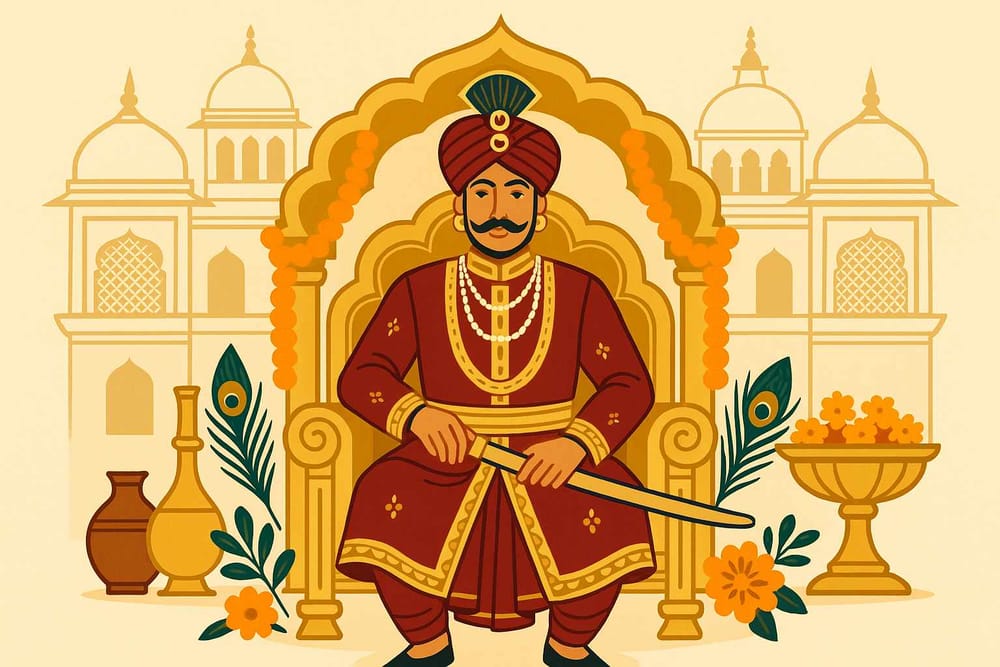
Their coronations were not mere political events; they were deeply spiritual ceremonies. Adorned with symbolic crowns, swords, and seated on magnificent thrones, the Maharaja’s rule was sanctified. This tradition was beautifully diverse across our land. The Suryavanshi Rajputs of Rajasthan, who trace their lineage to Lord Ram himself, had their unique codes of honour, while the Marathas in Maharashtra and the Nawabs in Bengal each added their own distinct colours to this royal tapestry. What united them all was the meticulous preservation of their family lineage, a sacred duty to ensure that the flame of their heritage was passed on, strong and unbroken.
More Than Rulers: The Architects of Our Culture
The legacy of our Maharajas is not just in the battles they won, but in the world they built. They were immense patrons of art, architecture, and knowledge. When you stand before the majestic City Palace in Jaipur or the Umaid Bhawan Palace in Jodhpur, you are witnessing their vision brought to life. These weren't just homes; they were centres of culture, music, and art that nourished the creative soul of India.
But their influence ran even deeper. They were instrumental in shaping the spiritual landscape of their regions. By commissioning grand temples and supporting religious festivals, they played a pivotal role in ensuring that faith and devotion flourished. This incredible blend of royal duty and spiritual patronage is a testament to their holistic vision for their kingdoms. Truly, the Maharajas' influence continues to shape Indian culture in ways we can still feel today.
This profound connection between our heritage and our faith is something we at Bhaktilipi hold very dear. We believe that these stories of devotion, whether from kings or commoners, are timeless treasures. Bhaktilipi is a space dedicated to preserving and sharing this devotional literature, making it accessible for today's generation to connect with our spiritual roots.
The Royal Spirit in Modern India
You might wonder, what happened to these royal families after India became a democracy? While the princely states were integrated into modern India and royal privileges were abolished, the spirit of their legacy endured. Many royal families have gracefully adapted to the changing times, transforming their roles from rulers to cultural custodians and philanthropists.
Today, their contributions are visible in many forms:
- Guardians of Heritage: Many descendants, like Maharaja Padmanabh Singh of Jaipur, are actively involved in preserving their ancestral forts and palaces. They've converted many of these magnificent properties into heritage hotels, allowing people from all over the world to experience a slice of Indian royalty, which in turn helps maintain these historic structures for future generations.
- Champions of Culture and Charity: Royal families continue to be patrons of the arts and are involved in significant cultural events like the Jaipur Literature Festival. They also engage in extensive philanthropy, supporting initiatives in education, healthcare, and community welfare, continuing their ancestral duty of caring for the people.
By doing so, they ensure that the royal lineage of Maharajas remains a relevant and respected part of modern India's story. It's a fascinating journey of adaptation and resilience, a story that deserves to be told. You can delve deeper into this journey by exploring the legacy of the Maharajas and how history reveals their enduring impact.
To continue this journey of rediscovering our roots, we invite you to connect with us. We share inspiring stories and timeless wisdom that resonate with the heart. Stay updated by subscribing to our YouTube channel for beautiful devotional videos, or follow us on Facebook and Instagram for daily inspiration. Rediscover devotion in a way that speaks to you!
Frequently Asked Questions about India's Royal Heritage
The Enduring Significance of a Maharaja in Indian History
A Maharaja, or "great king," was far more than just a ruler in Indian history; they were symbols of power, tradition, and cultural identity. As heads of princely states, they were the primary patrons of art, music, and architecture, and their courts were vibrant hubs of creativity and learning. They were also seen as the protectors of their people and the upholders of dharma, making their role both political and spiritual.
The Architectural Marvels Our Kings Left Behind
The influence of Maharajas is permanently etched into India's landscape through the magnificent structures they commissioned. From the intricate latticework of Hawa Mahal in Jaipur to the grandeur of Mysore Palace, these architectural wonders are a testament to their vision and patronage. These forts, palaces, and temples are not just tourist attractions; they are enduring symbols of India's rich architectural heritage and the refined tastes of its royal patrons.
How Royal Traditions Are Kept Alive Today
Yes, many royal families continue to be the torchbearers of their ancestral traditions. They meticulously preserve family heirlooms, ancient manuscripts, and royal attire. More importantly, they continue to celebrate traditional festivals and perform age-old rituals with the same devotion as their ancestors. These living traditions serve as a vital link to our past, keeping the cultural flame alive for the next generation.
The Connection Between Royal Lineage and Modern India
The royal lineage of Maharajas provides a crucial link between modern India and its rich historical past. By preserving their heritage, these families help us remember the values, art forms, and traditions that have shaped our nation. Some royal descendants also actively contribute to society through public service, philanthropy, and cultural preservation, embodying a modern version of their ancestral duty to the people.
The Diverse Roles Maharajas Played in the Freedom Movement
The role of Maharajas during India's struggle for independence was complex and varied. Some rulers were great patriots who actively supported freedom fighters, providing financial aid and safe havens for revolutionaries. Others chose to negotiate terms with the British to protect the interests of their states, while a few remained allied with the colonial powers. Their roles reflect the diverse political landscape of the time.
The Grandeur of Festivals under Royal Patronage
Maharajas played a huge role in shaping many of our traditional festivals, adding layers of grandeur and elaborate rituals. Festivals like Dussehra in Mysore or Gangaur in Rajasthan were celebrated with spectacular royal processions, feasts, and ceremonies that involved the entire kingdom. This royal patronage elevated local festivals into grand cultural events that are still celebrated with great enthusiasm today.
A passionate group of people dedicated to preserving India's knowledge of Dharma, Karma, and Bhakti for ourselves and the world 🙏.