

Tomb of Shah Rukn-e-Alam: Architecture, History, and Legacy
Some places in the world aren't just made of bricks and mortar; they are built from faith, stories, and centuries of devotion. In the heart of Multan, a city lovingly called the "City of Saints," stands one such marvel—the Tomb of Shah Rukn-e-Alam. Seeing it for the first time feels less like looking at a building and more like witnessing a prayer that has taken physical form, reaching for the heavens. It’s a place that whispers tales of a great saint, a powerful king, and the unwavering faith of millions.
Who Was the Saint Known as the 'Pillar of the World'?
Before we can truly appreciate the tomb, we must understand the soul it honours. Shah Rukn-e-Alam (1251–1335), whose name translates to 'Pillar of the World', was a revered Sufi saint from the Suhrawardiyya order. He was the grandson of another great mystic, Bahauddin Zakariya. In a time of great change, his teachings were a soothing balm for the soul, focusing on love, tolerance, and finding a deeper connection with the divine. He wasn't just a preacher; he was a spiritual guide whose wisdom drew people from all walks of life, creating a beautiful tapestry of followers.
A King's Mausoleum, A Saint's Final Home
The story of how this magnificent tomb came to be is as fascinating as the structure itself. It was originally built between 1320 and 1324 by Ghiyath al-Din Tughluq, the ruler of the Delhi Sultanate. He intended this grand mausoleum to be his own final resting place. However, fate, or perhaps divine will, had other plans. After his passing, his son, Muhammad bin Tughluq, gifted this architectural gem to the family and followers of Shah Rukn-e-Alam. This incredible act shows just how deeply the saint was respected, even by royalty. In 1330, the saint's mortal remains were moved here, and it became the sacred shrine we know today.
An Architectural Masterpiece That Touches the Sky
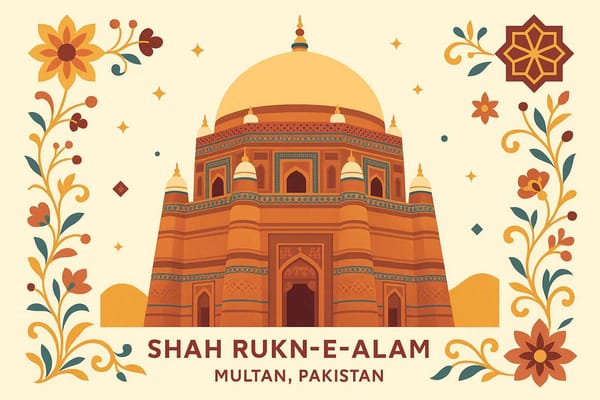
The tomb is an absolute marvel of Tughluq architecture, a style that feels both strong and graceful. Its most striking feature is its three-tiered octagonal design, a pioneering structure for its time. Imagine a grand octagon, supported by sloping buttresses at each corner, almost like it's firmly rooted to the earth.
- Vibrant Colors of Faith: The exterior is a breathtaking sight. It is constructed from intricately carved red bricks that glow warmly in the sun. This rich red is contrasted with stunning blue, azure, and white tile work, known as *kashi-kari*. These tiles form beautiful floral, arabesque, and geometric patterns that adorn the walls, telling stories without words.
- The Majestic Dome: Crowning the structure is a massive white dome, one of the largest in Asia, which seems to float above the city. It's a powerful symbol of the heavens, and its sheer size and perfect proportions leave you in awe. The base of the dome is adorned with a delicate band of blue tiles, like a necklace for this heavenly crown. You can explore the magnificence of Shah Rukn-e-Alam's tomb and its intricate details to truly appreciate the craftsmanship.
- A Serene Interior: Step inside, and a sense of calm washes over you. The interior is just as beautiful, with a masterfully carved wooden *mihrab* (a niche pointing towards Mecca) that is considered one of the earliest of its kind. Natural light filters in, creating a serene and contemplative atmosphere perfect for prayer and reflection.
More Than a Monument: A Living Centre of Faith
This dargah is not a relic of the past; it is a living, breathing centre of spirituality. Every year, especially during the annual Urs festival commemorating the saint's death anniversary, a sea of humanity gathers here. Over 100,000 devotees come to pay their respects, offer prayers, and seek blessings. The air hums with qawwalis, heartfelt prayers, and a collective feeling of peace. It's a place that fosters harmony, welcoming people from all faiths to experience its tranquillity. The teachings of unity and compassion that Shah Rukn-e-Alam shared continue to echo within these walls, beautifully reflecting his enduring historical perspective and legacy.
In our fast-paced modern lives, connecting with such deep-rooted traditions can be incredibly grounding. At Bhaktilipi, we strive to bring you closer to these timeless stories and spiritual treasures. We believe that understanding our heritage is a way of understanding ourselves, and we carefully curate content that honours these traditions. If you cherish authentic devotional stories and sacred knowledge, you'll feel right at home with our collection at Bhaktilipi.in.
Understanding the Essence of Shah Rukn-e-Alam's Dargah
Many visitors are naturally curious about this sacred place. The first thing that captivates them is its unique architecture. The tomb's octagonal shape, built with red brick and adorned with intricate blue and white tile work, is a signature of the Tughlaq style, blending Persian and local influences into something truly special.
The foundations of this holy structure were laid between 1320 and 1324 AD. Its importance, however, goes far beyond its age. It is a powerful symbol of our subcontinent's rich cultural and spiritual heritage. It’s not just an architectural marvel but the final resting place of a beloved Sufi saint, making it a major pilgrimage site that draws people from all over the world.
Given its incredible historical and architectural value, it’s no surprise that the tomb is on the tentative list for becoming a UNESCO World Heritage Site. For those whose hearts are called to this spiritual place, its doors are always open. It remains a popular and accessible site for pilgrims, historians, and anyone seeking a moment of peace.
A Timeless Symbol of Devotion
The Tomb of Shah Rukn-e-Alam is a timeless beacon of devotion, art, and history. It stands as a powerful reminder of the rich spiritual heritage of the subcontinent. Visiting this monument is more than just a trip; it's a journey back in time and a chance to connect with centuries of faith. Whether you are moved by its stunning design or its profound spiritual legacy, the tomb embodies a spirit of reverence that continues to inspire all who visit.
About Bhaktilipi
© 2025 Bhaktilipi – Crafted with devotion.
Bhaktilipi is a digital space dedicated to preserving and sharing our timeless devotional literature and sacred stories. We curate, translate, and present this heritage with care, connecting tradition with the modern reader. We believe that these stories hold the power to inspire and guide us even today.
Why Explore Bhaktilipi?
- Deepen Your Knowledge: Learn about sacred texts, the lives of saints, and architectural marvels like the Tomb of Shah Rukn-e-Alam. We provide content that is both authentic and easy to understand.
- Connect with Tradition: Stay connected to your roots with writings that beautifully blend authenticity with relevance for today's world. It’s a way to keep our traditions alive in our hearts and homes.
- Spiritual Convenience: In your busy life, find a peaceful corner with us. Access curated devotional content anytime, anywhere, right at your fingertips.
Subscribe to our newsletter for updates on new posts and reflections. Follow us on social media for engaging content that inspires devotion and learning:
Stay informed and inspired—join our community today!
A passionate group of people dedicated to preserving India's knowledge of Dharma, Karma, and Bhakti for ourselves and the world 🙏.
Comments
Related in
Exploring the Historical Significance of the Tomb of Shah Rukn-e-Alam - A Detailed Analysis
In the heart of Pakistan's ancient city of Multan, often called the “City of Saints,” stands a monument that feels like a prayer turned into brick and tile. I'm talking about the Tomb of Shah Rukn-e-Alam. Seeing it for the first time, you realise it isn&