
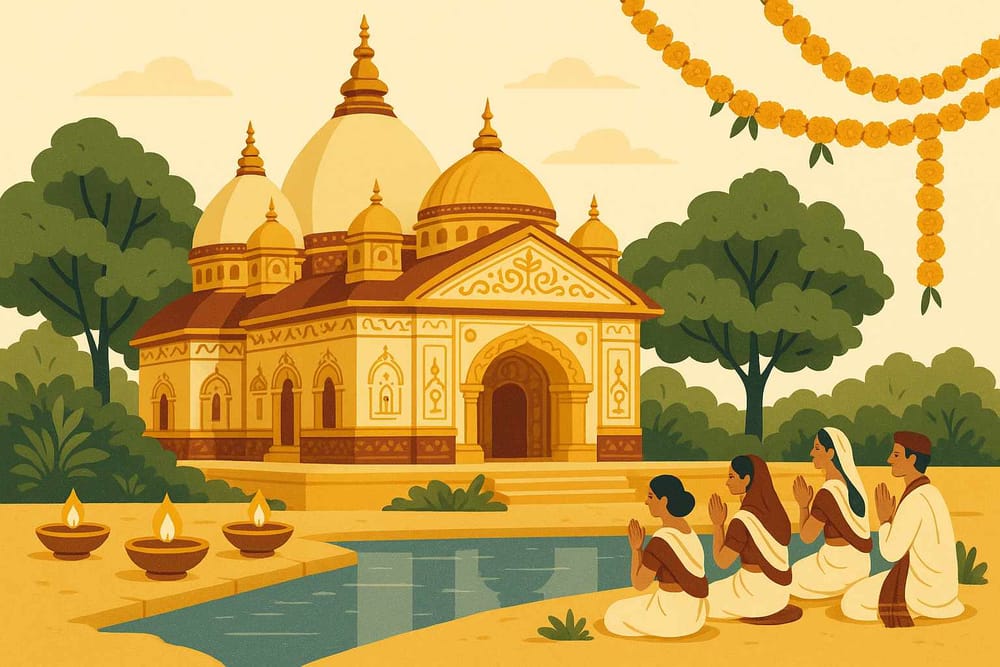
Ugro Tara Temple Mystique: Explores Cultural Significance
In the middle of Guwahati's busy streets, where life moves at a whirlwind pace, there is a place of profound stillness and immense power. It's a place where you can feel the energy in the very air you breathe. I'm talking about the Ugratara Devalaya, a temple that holds one of the most powerful stories of our Sanatana Dharma. It’s not just a building of brick and mortar; it’s the sacred ground where a part of Maa Sati’s divine body is believed to have fallen, making it a revered Shakti Peetha.
A Legacy Carved in Stone and Faith
Every time I think about the history of our sacred spaces, my heart fills with pride. The story of Ugratara Temple is no different. It was the great Ahom King, Siva Singha, who, with immense devotion, built this temple way back in 1725. He also gifted the serene Jorepukhuri tanks that you see to the east of the temple, adding to its tranquil charm. Even though a massive earthquake in 1897 caused damage, the faith of the devotees was unshakable. The temple was rebuilt, standing tall as a testament to their unwavering shraddha.
Walking through its premises, you feel connected to centuries of prayers and devotion that have soaked into its walls. For a deeper dive into the temple's fascinating past, you can read more about the Ugro Tara Temple's rich history and significance.
Where Divinity Takes a Formless Form
Now, this is what truly makes the Ugratara Temple a place of deep mystique and spiritual wonder. When you go inside the sanctum sanctorum, you won't find a traditional idol or murti of the Goddess. Instead, you'll see a small pit of water. Yes, Maa Tara is worshipped here in her formless state, as Jalamayi (consisting of water).
This unique form of worship reminds us that the divine is everywhere and in everything. The Goddess here is Ugra – fierce, powerful, and a protector of her devotees. She is a form of Maa Kali or Tara, revered for her ability to destroy evil and grant liberation. This powerful symbolism, combined with its status as the place where Sati's navel (Nabhi) fell, makes it a major center for Tantric practices.
The Vibrant Pulse of Living Traditions and Rituals
The air at the temple is always thick with devotion, but it becomes especially vibrant during festivals like Durga Puja and Kali Puja. The sound of bells, the fragrance of incense, and the passionate chanting of mantras create an atmosphere that transports you to another world. The spiritual practices here are deeply rooted in age-old traditions. Devotees offer their prayers with pure hearts, seeking the Goddess’s blessings for protection and strength.
It's important to understand that some of the rituals here, including animal sacrifice, are part of a long-standing tradition followed by certain devotees to appease the fierce form of the Goddess. It reflects a complex aspect of Shakti worship that has been preserved for centuries. These traditions, passed down through generations, showcase the living, breathing culture that the temple nurtures. It truly is a unique cultural treasure, blending history and spirituality in a way that continues to inspire awe in everyone who visits. You can explore the cultural significance of Ugra Tara Temple further to understand its profound impact.
Your Spiritual Journey, Our Shared Path
Stories like that of the Ugratara Devalaya are the very soul of our culture. They are more than just tales; they are pillars of our faith. At Bhaktilipi, we feel a deep sense of purpose in bringing these powerful stories and devotional writings to you. We want to be your trusted companion as you explore our sacred texts and the spiritual heritage that defines us.
Why do we do this? Because we believe that understanding the 'why' behind our rituals and the history of our temples deepens our own spiritual journey. Discovering the significance of places like the Ugro Tara Temple helps us connect with our roots in a more meaningful way.
To continue this journey of discovery with us, subscribe to our newsletter and stay connected on social media. We share stories, insights, and much more to enrich your understanding of devotion.
- Facebook: Find us at BhaktilipiOfficial for daily inspiration and community stories.
- Instagram: Follow @bhakti_lipi for beautiful visuals and short, insightful posts on our traditions.
- YouTube: Subscribe to our channel @Bhaktilipi for engaging video content on our rich spiritual heritage.
Embracing the Divine Feminine Energy
A visit to the Ugro Tara Temple is more than a pilgrimage; it's an experience that stays with you. It’s a powerful reminder of the fierce, protective love of the Divine Mother. Whether you go there seeking Maa Tara’s blessings or simply to feel the vibrations of this ancient Shakti Peetha, you will leave with a heart full of peace and a spirit that feels a little stronger.
May we always cherish these sacred spaces and the timeless traditions they hold, finding a beautiful balance between our ancient faith and our modern lives. May the grace of Maa Tara always protect you.
A passionate group of people dedicated to preserving India's knowledge of Dharma, Karma, and Bhakti for ourselves and the world 🙏.
Comments
Related in
Explore Ugro Tara Temple- Culture and History Journey
In the bustling heart of Guwahati's Uzan Bazar, amidst the familiar sounds of city life, there lies a place of profound stillness and immense power. It's the Ugro Tara Temple, or Ugratara Devalaya as it is fondly known. This isn't just another temple; it’
Exploring the Mystical Ugro Tara Temple: Spirituality and Culture Await
There are some places of worship that you visit, and then there are some that visit you, leaving a mark on your soul long after you’ve left. In the bustling Uzan Bazar of Guwahati, tucked away from the city's hum, lies such a sanctuary – the Ugro Tara
Ugro Tara Temple- History- Architecture- Significance: Explore Now
In the heart of bustling Guwahati, where the mighty Brahmaputra flows with ancient secrets, lies a place of quiet, immense power – the Ugro Tara Temple. It’s not a place of towering gopurams or grand halls. Instead, its magic lies in its simplicity, its deep-rooted history, and the palpable presence