
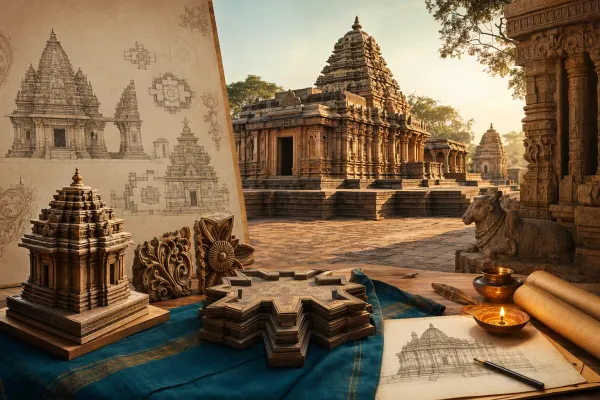
Vesara Temple Architecture: The Deccan Blend Explained with Examples
Vesara is often called a blend of Nagara and Dravida, but the Deccan story is richer: experiment, region, stone, dynasties and local genius.
Satarupa Banerjee is a passionate blog writer with a keen interest in creating engaging, informative, and reader-friendly content. She specializes in crafting articles that blend creativity with clarity, helping audiences connect with inspirations.
Vesara is often called a blend of Nagara and Dravida, but the Deccan story is richer: experiment, region, stone, dynasties and local genius.
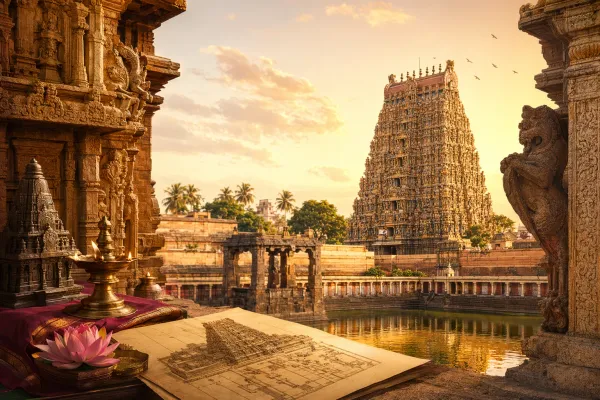
Dravidian temples are not just “South Indian temples”. They are sacred cities in stone, shaped by dynasties, rituals, gateways, towers and living devotion.
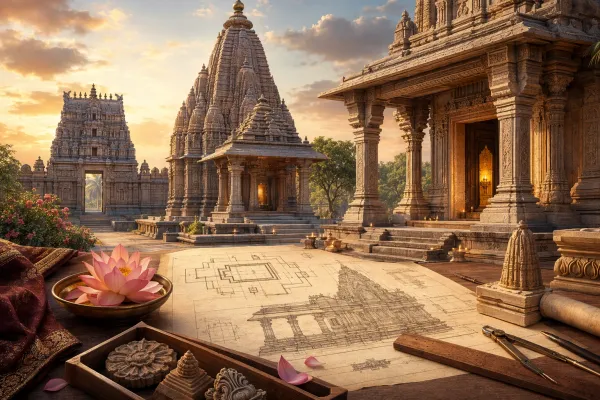
A Hindu temple becomes easier to understand when you know its parts: the sanctum, halls, tower, gateways, platforms, images and paths of movement.

A beginner-friendly map of India’s major Sufi lineages, how they differ, and why their shrines, teachers and practices matter.
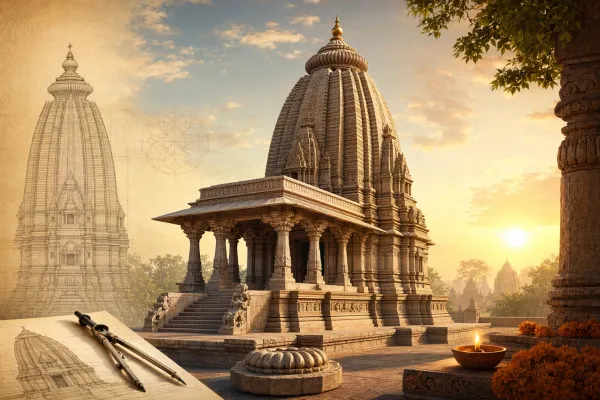
Nagara temple architecture is best understood by looking at the sanctum, the rising shikhara and the many regional forms of north Indian temple building.
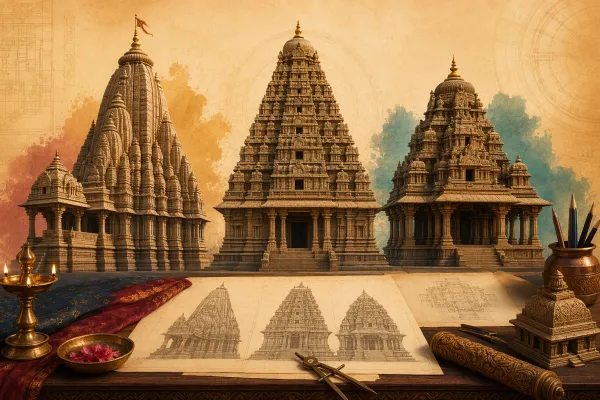
Nagara, Dravida and Vesara are useful names for learning Indian temple architecture, but real temples are richer than neat categories.
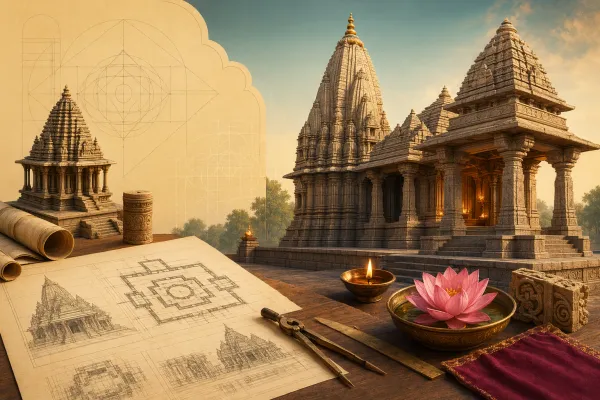
Indian temple architecture is not just about old stone buildings. It is a sacred way of arranging space, movement, art and devotion.
Want to learn Sufism in India without illegal downloads, quote pages or shallow claims? Start with this grounded path through books, films and courses.
Sufism cannot be ranked by one country. Here is a respectful map of major Sufi regions and why India remains a powerful centre of Sufi culture.