
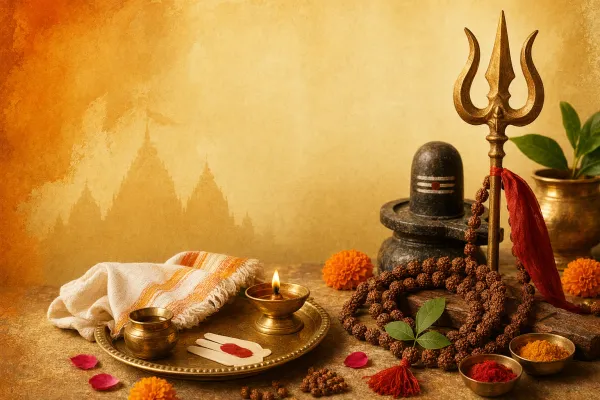
Hindu Symbols for Protection: Tilak, Rudraksha, Trishul, and More Explained
Hindu protection symbols are best understood as reminders of faith, discipline, blessings, identity, and sacred responsibility.
Hindu protection symbols are best understood as reminders of faith, discipline, blessings, identity, and sacred responsibility.
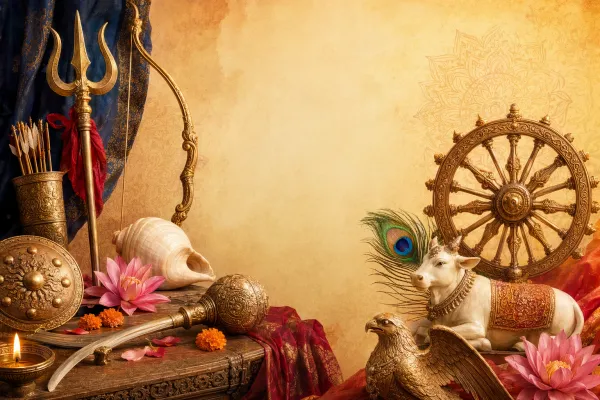
Hindu deity symbols, weapons, and vehicles often teach qualities such as wisdom, courage, protection, discipline, and compassion.
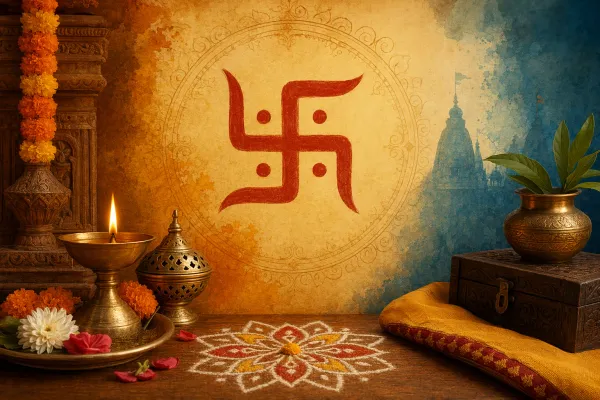
The Hindu swastika is an ancient auspicious symbol of well-being and good fortune, but modern history makes careful explanation essential.

The Bhakti Movement often challenged caste pride, gender limits, and social arrogance, but its impact varied by region and community.

Some Jain practices look unusual from outside, but they express ahimsa, careful speech, forgiveness, and respect for even tiny life forms.
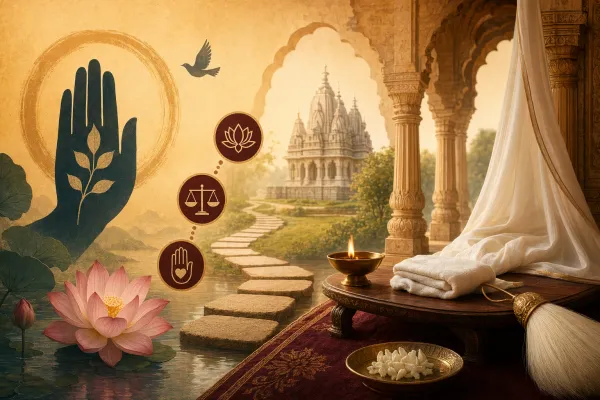
Jainism teaches non-violence, karma, restraint, many-sided truth, and liberation. Here is a simple guide to its core ideas.
Jain food rules come from ahimsa, restraint, and careful living. Here is a beginner-friendly guide to what many Jains avoid and why.
Jain temples and symbols point toward non-violence, self-discipline, liberation, and reverence for the Tirthankaras.
Jainism honours perfected beings and spiritual teachers, but it does not centre on a creator God who controls the universe.