
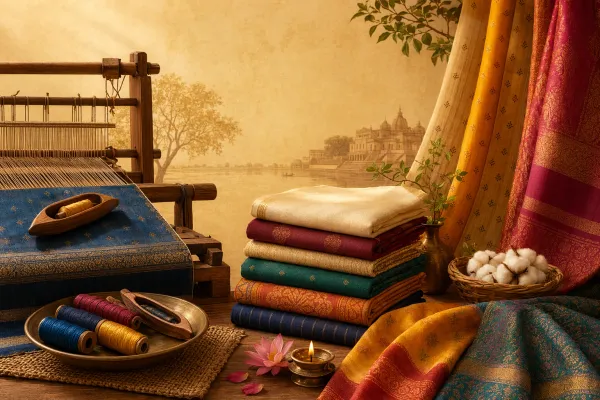
Indian Handloom Textiles Explained: How Handwoven Cloth Carries Culture
Indian handloom textiles are fabrics woven manually on looms, carrying regional skill, texture, rhythm, and cultural memory.
Satarupa Banerjee is a passionate blog writer with a keen interest in creating engaging, informative, and reader-friendly content. She specializes in crafting articles that blend creativity with clarity, helping audiences connect with inspirations.
Indian handloom textiles are fabrics woven manually on looms, carrying regional skill, texture, rhythm, and cultural memory.
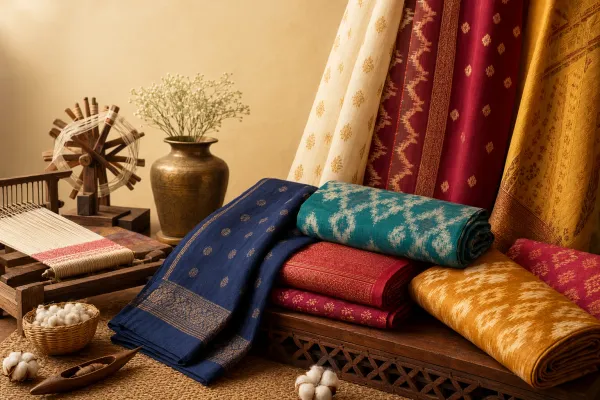
Traditional Indian textiles range from brocades and silks to handloom cottons, dyed fabrics, block prints, shawls, and embroidery traditions.
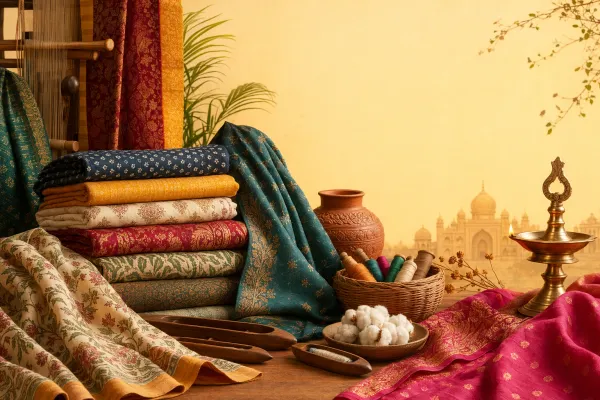
Indian textiles include woven, printed, dyed, and embroidered cloth traditions shaped by region, climate, skill, and everyday life.

People do Namaste with folded hands to show respect, humility, greeting, and a quiet recognition of dignity in the other person.

Namaste is more than a polite hello. It can express respect, humility, and recognition of the sacred dignity within another person.

Learn why some Shakti Peeth lists include sacred places beyond modern India and how to understand them respectfully.
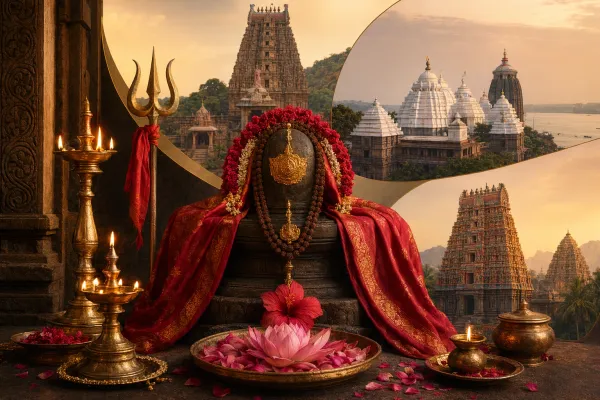
Understand how Shakti Peeth traditions are remembered across South and East India, and how to read site lists with care.
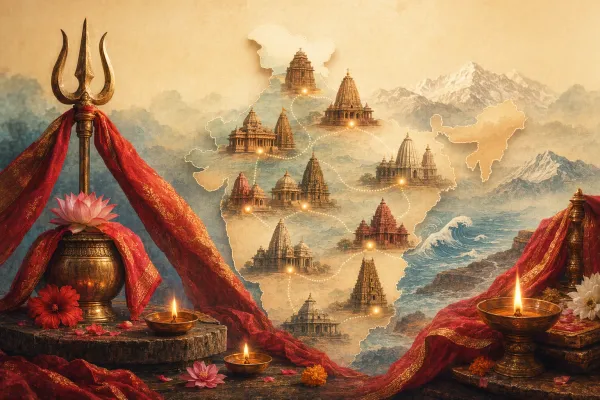
Shakti Peeths in India form a sacred geography of Devi worship, pilgrimage, regional memory, and varied traditional lists.
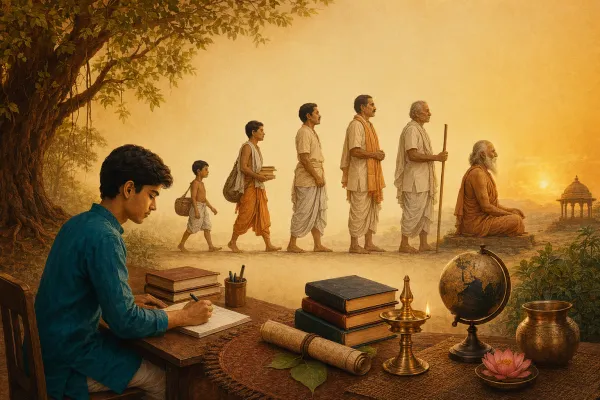
Understand the ashrama system sociologically as a model of life phases, social duties, and cultural values.