Ayurveda massage, Panchakarma, and spa treatments can look similar from the outside, especially when all three are advertised as wellness experiences. But they are not the same thing. A relaxing oil massage, a supervised Ayurvedic therapy, and a Panchakarma programme have different purposes, levels of assessment, and safety needs.
This guide explains the difference in plain English so beginners can ask better questions before booking a package, visiting a clinic, or assuming that every “Ayurvedic spa” service is clinical Ayurveda.
This article is educational content about Indian culture and knowledge traditions. It is not medical diagnosis or a substitute for qualified health care.
Short answer
Ayurveda massage can refer to oil-based body therapies connected with Ayurvedic practice, while Panchakarma is a broader therapeutic process traditionally involving preparation, cleansing procedures, diet, rest, and supervision.
A spa package may borrow Ayurvedic language but may not be the same as clinical Ayurveda. Beginners should understand the difference before booking based on a discount or aesthetic photos.
Massage vs spa massage
General spa massage often focuses on relaxation, comfort, and experience. Ayurvedic massage, such as abhyanga in traditional contexts, is linked with oil selection, body type, season, condition, and therapeutic purpose.
That does not mean every oil massage is medical treatment. Ask what the service actually includes, who supervises it, and whether it is for relaxation or health-specific therapy.
What Panchakarma broadly means
Panchakarma literally refers to five actions or procedures in classical Ayurveda, but real-world Panchakarma programmes vary widely. They may include preparatory oiling, sweating, dietary rules, cleansing procedures, rest, and follow-up.
This is not something to casually DIY from a video. It can be physically demanding and should be done only under qualified supervision when appropriate.
Clinic, hospital, spa, home service
A clinic or hospital may provide consultation, diagnosis, medicines, and supervised therapies. A spa may focus more on wellness experience. Home service may be convenient but raises questions about hygiene, training, privacy, and emergency handling.
Choose based on purpose. For relaxation, a clean reputable wellness centre may be enough. For a health condition, consult a qualified Ayurveda doctor, not only a package salesperson.
Questions before booking
Ask: Who will assess me? What oil or therapy is used and why? Are there contraindications? What hygiene standards are followed? Is the therapist trained? What should I avoid before and after? What if I feel unwell?
Avoid centres that promise guaranteed detox, instant cure, or pressure you into expensive packages without proper assessment.
Safety and respect
People with fever, infections, pregnancy, certain heart conditions, skin disease, injuries, surgery recovery, severe weakness, or chronic illness should be especially cautious and seek professional guidance.
Ayurveda’s therapy traditions deserve more than being reduced to luxury spa marketing. Learn what you are choosing, then choose safely.
Key takeaway
Ayurveda is best learned with respect and responsibility: appreciate the Indian tradition, start with simple habits, and seek qualified guidance for health decisions.
What to remember
Health-related topics need careful language. This guide should not be read as personal medical advice, a diagnosis, or a reason to stop treatment. If someone has a health condition, takes medicine, is pregnant, or wants to use herbs or supplements, the sensible next step is to speak with a qualified professional.
For modern readers, the safest approach is to keep curiosity and caution together. Ayurveda can be meaningful without being reduced to miracle claims, and a treatment menu can be attractive without telling you whether the service is appropriate for your body and situation.
Where to go next
For the wider foundation, read our Ayurveda beginner guide. If you are thinking about consultation or supervised therapy, also read Ayurveda doctors, clinics and consultations.
Common misunderstandings to avoid
One common mistake is to treat Panchakarma as a luxury detox label. In classical and clinical settings, it is not just a massage package. It may involve preparation, diet, rest, observation, and procedures that should be selected by trained professionals.
Another mistake is to assume that “natural” always means risk-free. Oils, heat, pressure, herbs, cleansing routines, and fasting can all affect people differently. Safety depends on the person, the setting, the therapist’s training, hygiene, and the quality of supervision.
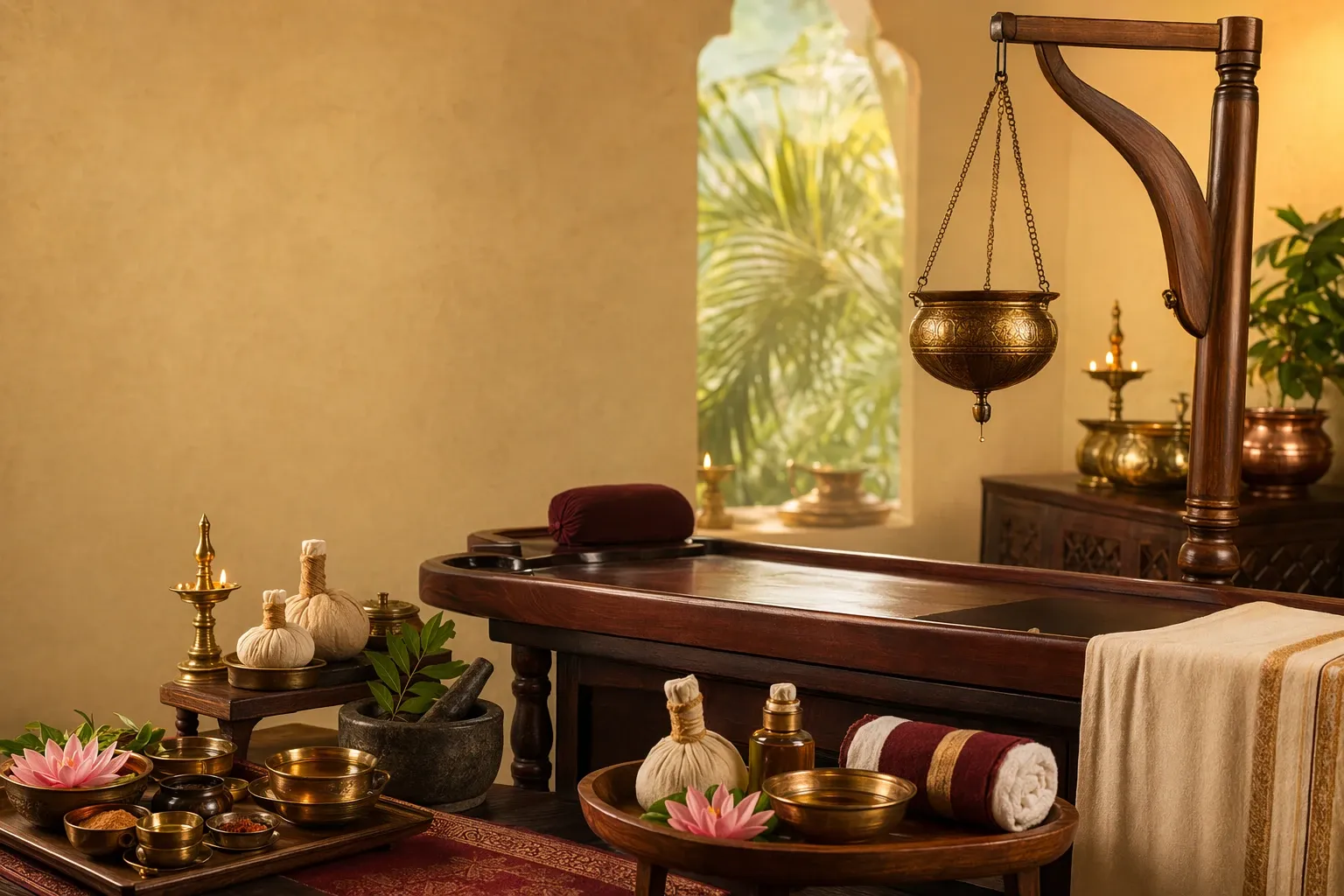
A third mistake is to judge Ayurveda only by spa décor. Lamps, music, and herbal smells can create a pleasant atmosphere, but they do not prove that the service is medically suitable or rooted in careful Ayurvedic assessment.
Why this matters today
Young readers often meet Ayurveda through reels, travel packages, wellness ads, and “near me” searches. Clear cultural literacy helps them respect the tradition without falling for vague claims or pressure-selling.
The practical goal is simple: know what you are choosing. If you want relaxation, look for cleanliness, consent, privacy, trained staff, and transparent pricing. If you want help for a health concern, start with a qualified practitioner and ask what is being recommended, why, and what risks or limits apply.
When to be extra cautious
Be extra cautious if a centre promises guaranteed weight loss, instant detox, permanent cure, or one package that suits everyone. Responsible practitioners usually ask questions first; they do not treat assessment as an optional extra.
Also notice practical details: clean linen, clear privacy rules, separate changing space, consent before touch, transparent pricing, and willingness to explain after-care. These basics may sound ordinary, but they matter when a traditional therapy is offered in a modern wellness setting.
Simple takeaway
Ayurveda massage may be relaxing or therapeutic depending on context. Panchakarma is a more involved Ayurvedic process that needs proper assessment and supervision. A spa treatment may borrow Ayurvedic language but should not be confused with clinical care. Learn the difference, ask questions, and choose safely.