
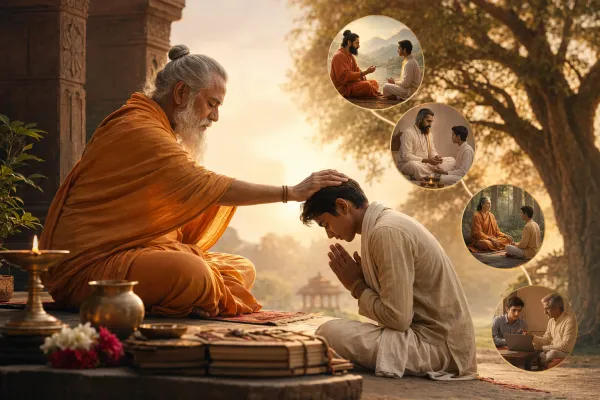
Guru Kripa and Types of Gurus: A Beginner Explanation
Guru kripa means the grace or compassionate guidance of a teacher. Here is a clear, respectful way to understand it without hype.
Guru kripa means the grace or compassionate guidance of a teacher. Here is a clear, respectful way to understand it without hype.
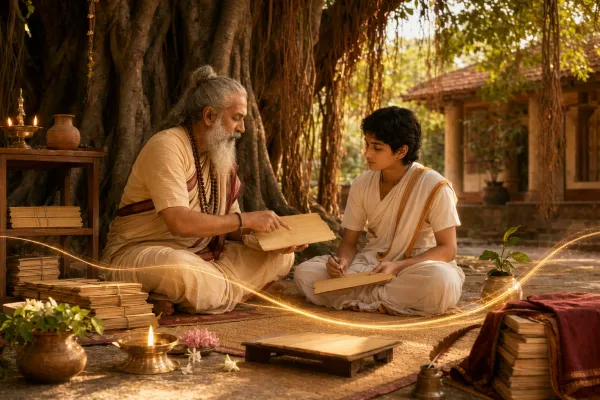
Guru-shishya is sacred in many traditions, but it also shapes Indian music, dance, yoga, crafts, and mentorship. Here is the balanced view.

Famous guru-shishya pairs are not celebrity rankings. They are windows into how Indians have imagined learning, trust, practice and responsibility.
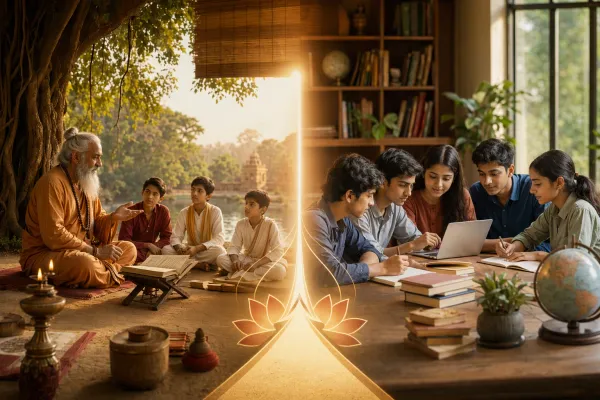
Guru-shishya learning and school education are not enemies. They solve different problems, and students can learn something valuable from both.
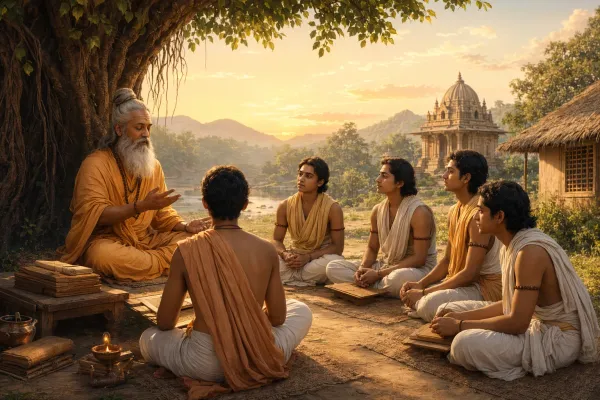
The guru-shishya tradition is very old, but it did not look the same in every century. Here is a careful, simple history of oral learning and gurukuls.
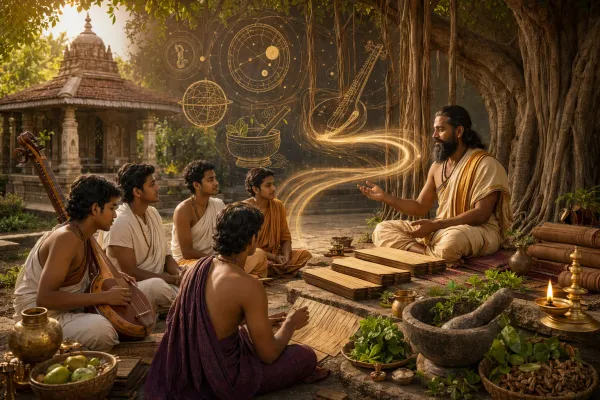
Guru Shishya Parampara helped Indian knowledge survive through oral memory, disciplined practice, debate, skill training and living lineages.
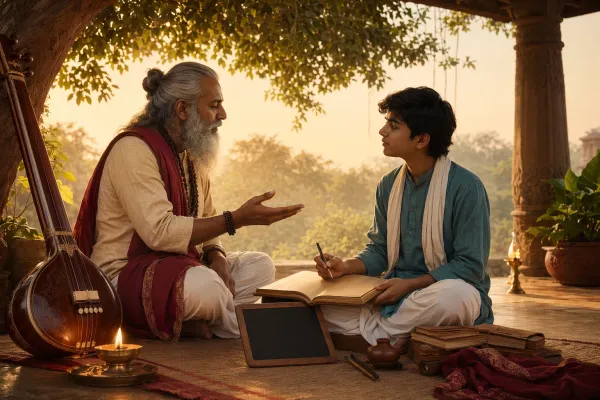
The Guru-Shishya relationship matters because deep learning needs trust, correction, patience and practice, not just information.
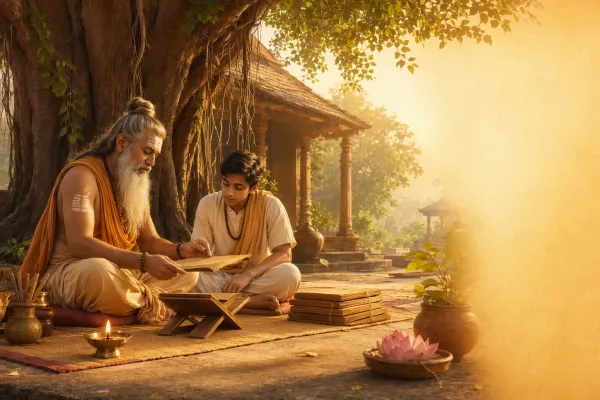
Guru Shishya Parampara is India’s teacher-student lineage of learning, practice, trust and responsibility. Here is a simple, grounded explanation.

Seven sacred trees is best treated as a learning list, not a fixed national rule. Here is a respectful India-focused explanation.