
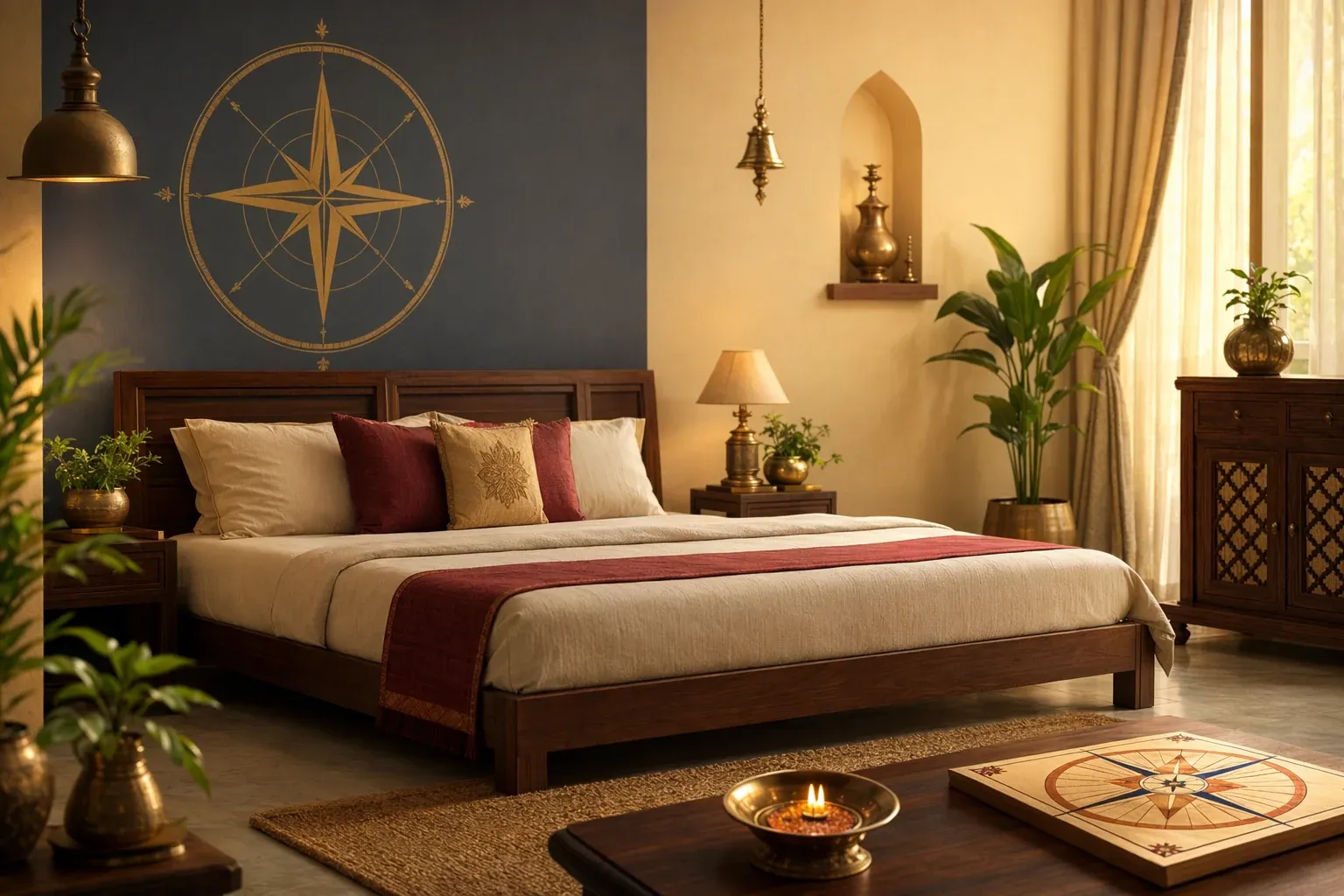
Sleeping direction is popular because everyone understands sleep. If rest is poor, we naturally look for reasons: stress, screen time, noise, heat, mattress, routine, or sometimes Vastu.
A responsible guide should explain traditional bedroom ideas without pretending that direction alone can cure health problems or guarantee success.
The simple answer
Sleeping direction is popular because everyone understands sleep. If rest is poor, we naturally look for reasons: stress, screen time, noise, heat, mattress, routine, or sometimes Vastu.
How to understand this calmly
A helpful way to read Vastu is to keep three layers separate. The first layer is practical: light, air, movement, privacy, cleanliness, storage, noise, and safety. The second layer is cultural: directions, sacred spaces, daily rhythm, and the feeling that a home should support a good life. The third layer is belief: families may attach spiritual meaning to certain placements or habits. Problems start when all three layers are mixed into one frightening claim.
For young readers and first-time learners, the balanced approach is simple. Learn the vocabulary, understand why people care, notice the practical design ideas, and avoid anyone who uses fear to sell instant fixes. Vastu can be studied as part of Indian architecture and home culture without promising that one object or direction will automatically create wealth, marks, health, marriage, or happiness.
What Vastu says about sleeping direction
Popular Vastu guidance often discusses where the head should point while sleeping, with south or east commonly recommended in many modern explanations and north often discouraged. These ideas are linked with direction symbolism and traditional interpretations of rest and energy.
Beginners should treat this as cultural guidance, not medical science. If changing bed direction is easy and it helps the room feel calmer, you may try it. If sleep problems continue, look at health, stress, light, noise, caffeine, screens, and medical advice.
Bedroom basics matter more than fear
A restful bedroom needs quiet, ventilation, darkness at night, safe movement, clean bedding, and less clutter. The bed should not block doors, electrical hazards, or essential movement. Storage should not make the room feel heavy or chaotic.
Vastu conversations about bedroom placement can be useful when they encourage calmness and privacy. They become harmful when they make people afraid to sleep in their own room.
For students, renters, and small homes
Many young people sleep in shared rooms, hostels, paying-guest spaces, or small rented flats. They cannot always choose ideal placement. In that case, focus on what is possible: clean bedding, regular sleep timing, less phone use before sleep, a clear study-rest boundary, and respectful arrangement of sacred objects if any are kept nearby.
A small imperfect room can still support a disciplined life. Do not let online rules become another source of stress.
How to use these ideas in a real home
The best way to use Vastu ideas is to move from simple, low-risk improvements toward bigger decisions only when they are truly needed. Start with cleanliness, light, air, calm movement, safe electrical points, uncluttered corners, and a respectful prayer or study space if your family uses one. These changes do not require panic, demolition, or expensive purchases, and they usually make a home easier to live in even when people disagree about belief.
For rented flats, hostels, and small apartments, treat Vastu as a guide to arrangement rather than a demand for perfection. You may not control the building, the main door, the road, the shaft, or the room sizes. You can still control daily order, how you use corners, how you sleep, how clean the entry feels, and whether the home supports study, rest, cooking, guests, and devotion.
Red flags to avoid
Be careful with advice that begins by frightening you. Claims that one direction will ruin every relationship, one object will block all money, or one room placement explains every health issue are not responsible. They may sound dramatic online, but real homes and real lives are more complex.
Also be careful with costly fixes that are sold before anyone understands your layout, budget, family needs, structural limits, and safety. A responsible suggestion should explain the reason, the trade-off, and the expected benefit. If a recommendation creates shame, conflict, debt, or constant anxiety, it is not helping the household.
A practical beginner checklist
Keep entrances clean and easy to use; improve light and ventilation where possible; reduce clutter in corners and under beds; make the sleeping area calmer; keep kitchen surfaces hygienic and safe; give sacred items a clean, intentional place; avoid blocking doors and pathways; and do not ignore maintenance problems such as dampness, leaks, pests, unsafe wiring, or poor drainage.
This checklist is not a magical formula. It is a grounded way to connect cultural respect with everyday care. When a traditional idea supports cleanliness, discipline, hospitality, prayer, or rest, it can be meaningful. When it becomes a source of fear, slow down and return to common sense.
Common beginner questions
Which direction should I sleep according to Vastu?
Many modern Vastu explanations prefer keeping the head toward south or east, but details vary. Treat this as a traditional suggestion, not a health guarantee.
Is bedroom Vastu a medical guide?
No. It can suggest calming arrangement, but sleep disorders, anxiety, pain, breathing issues, or chronic fatigue need proper health support.
What if I cannot move my bed?
Improve what you can: clutter, light, noise, bedding, ventilation, screens, and routine. A practical calm room is better than a “perfect” direction that creates pressure.
A calm takeaway
The most useful Vastu conversation begins with respect and ends with calm action. A home is not a superstition machine. It is a place where people study, rest, cook, pray, work, argue, forgive, and grow. If a traditional suggestion helps you create more light, order, quiet, respect, or mindful living, it may be worth considering. If it creates panic, shame, wasteful spending, or family pressure, pause and rethink it.
Use Vastu as cultural knowledge, not as a weapon. Keep what improves daily life, ask qualified people before major changes, and remember that ethics, care, health, safety, and good relationships matter more than perfect placement.
Related reading on Bhaktilipi
For nearby background, read Hindu Symbols in Home Decor and Puja and What Is Dharma? on Bhaktilipi.