
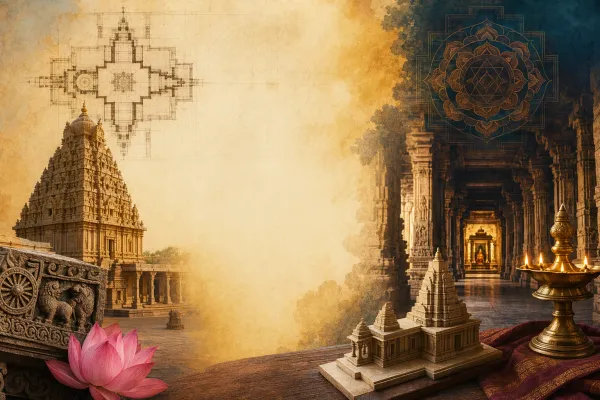
Symbolism in Hindu Temple Architecture: Why Temple Design Feels Sacred
Hindu temple design is not only about stone and scale. Its plan, tower, images and movement create a sacred journey from the outer world to the divine centre.
Hindu temple design is not only about stone and scale. Its plan, tower, images and movement create a sacred journey from the outer world to the divine centre.
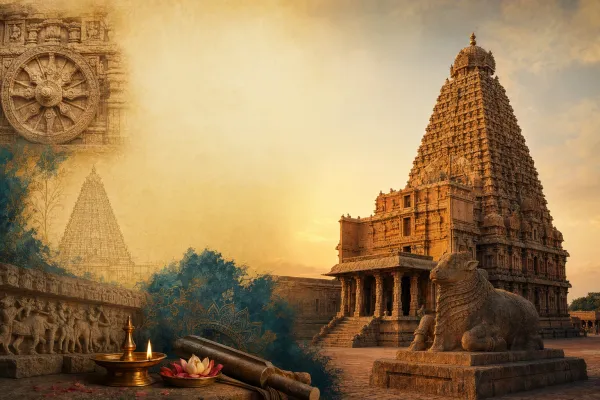
Brihadeshwara Temple at Thanjavur shows Chola architecture at its grandest, with granite scale, a soaring vimana and a living Shiva tradition.
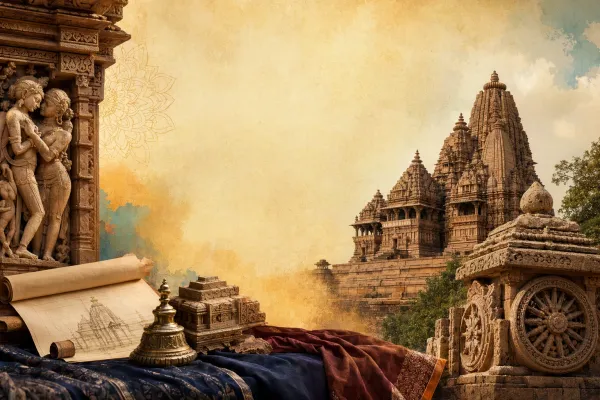
Khajuraho is more than its famous sculptures. This guide explains the Chandela temples, Nagara design and why the architecture matters.
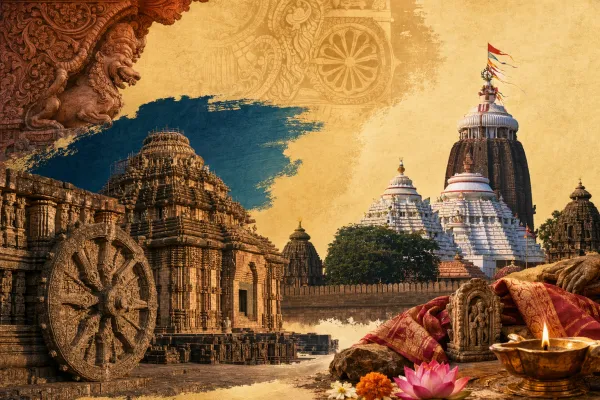
Konark and Jagannath are two powerful gateways into Odisha temple architecture. Learn the Kalinga style, key forms and cultural meaning.
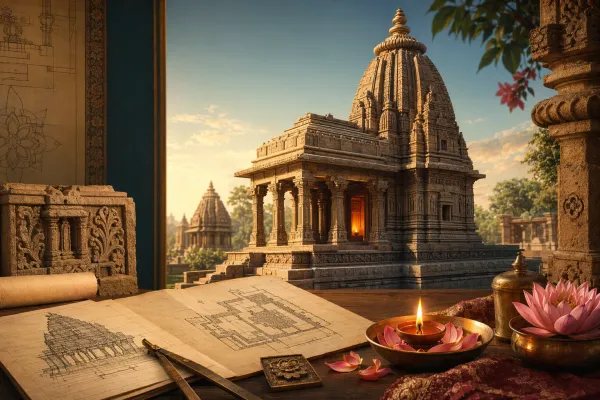
Gupta period temples matter because they show early Indian builders shaping the small shrine into a clear architectural and devotional form.
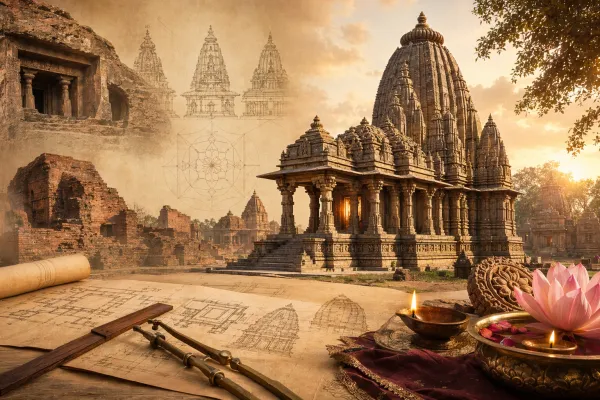
Indian temple architecture did not appear in one moment. It grew through experiments in caves, brick, stone, sculpture, royal patronage and regional styles.
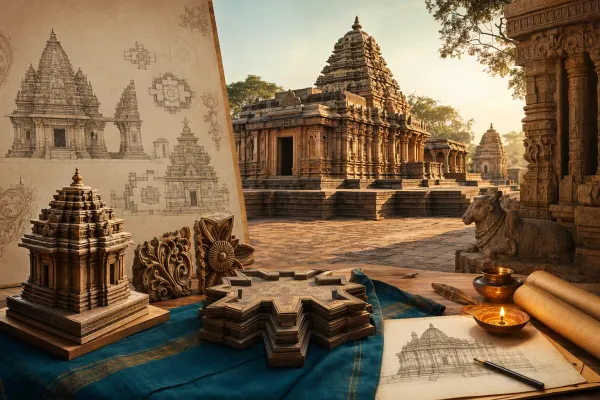
Vesara is often called a blend of Nagara and Dravida, but the Deccan story is richer: experiment, region, stone, dynasties and local genius.
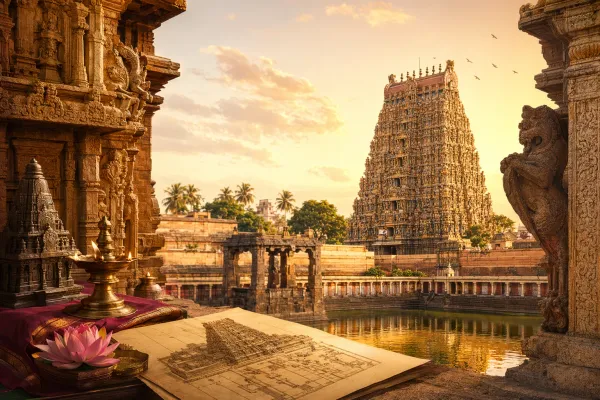
Dravidian temples are not just “South Indian temples”. They are sacred cities in stone, shaped by dynasties, rituals, gateways, towers and living devotion.
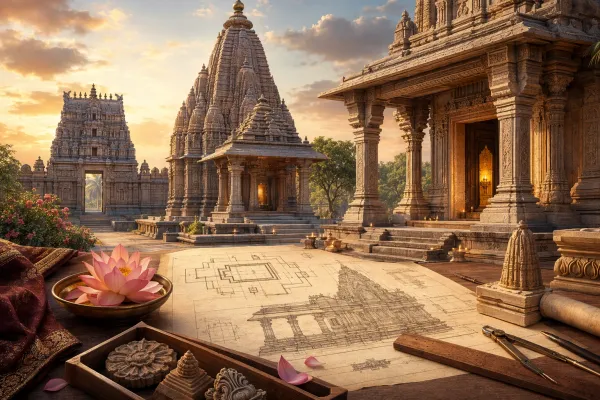
A Hindu temple becomes easier to understand when you know its parts: the sanctum, halls, tower, gateways, platforms, images and paths of movement.