
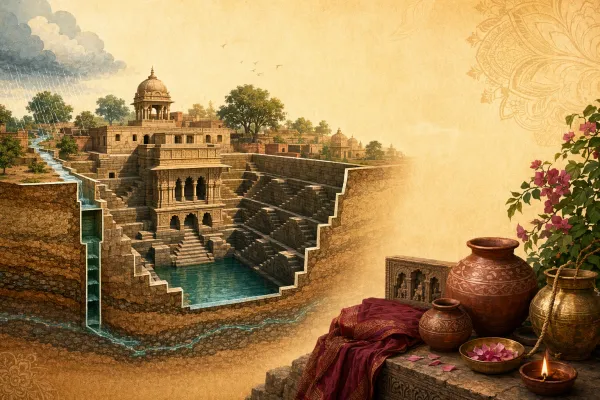
How Did Stepwells Work? Ancient Indian Water Conservation Explained
Stepwells worked by joining stairs, shafts, stone walls, groundwater access, rain storage, shade, and community maintenance into one water system.
Satarupa Banerjee is a passionate blog writer with a keen interest in creating engaging, informative, and reader-friendly content. She specializes in crafting articles that blend creativity with clarity, helping audiences connect with inspirations.
Stepwells worked by joining stairs, shafts, stone walls, groundwater access, rain storage, shade, and community maintenance into one water system.
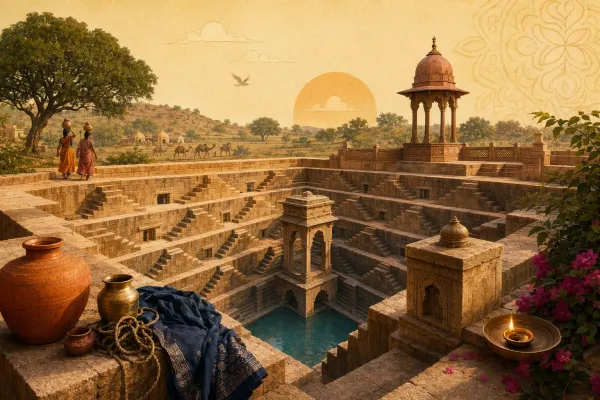
Stepwells were built because water, climate, travel, community, public service, and sacred meaning all mattered in India’s dry and seasonal regions.
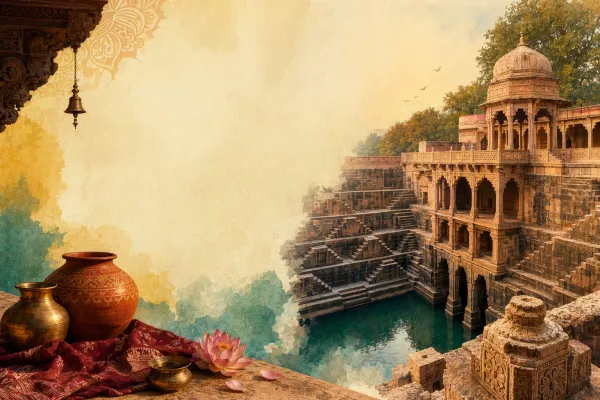
Stepwells are Indian water structures reached by steps. Learn their simple meaning, purpose, regional names, design, and why they matter as heritage.
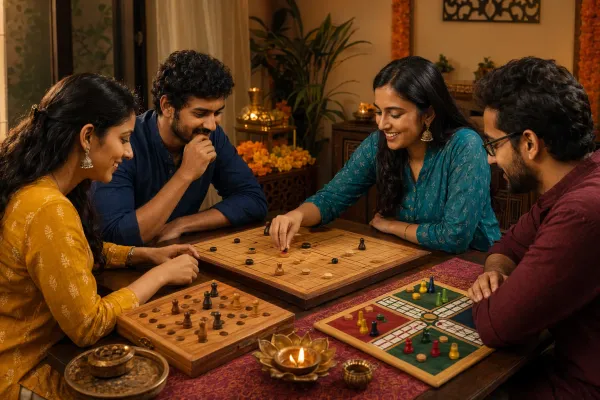
Indian board games are not only for children. They can train focus, patience, probability, memory, ethics, and meaningful social connection.
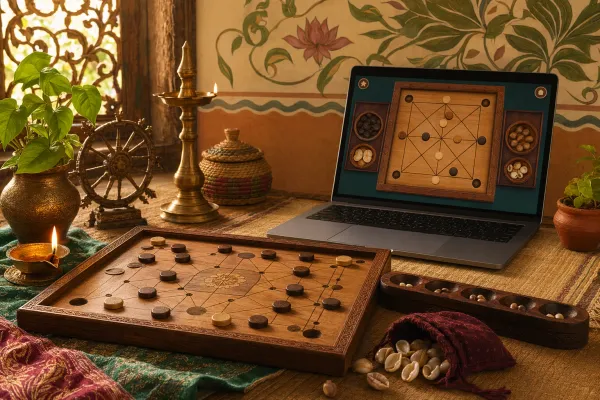
Online resources can help you learn Indian board games, but the best path avoids piracy, unsafe downloads, weak context, and culture-stripped copies.
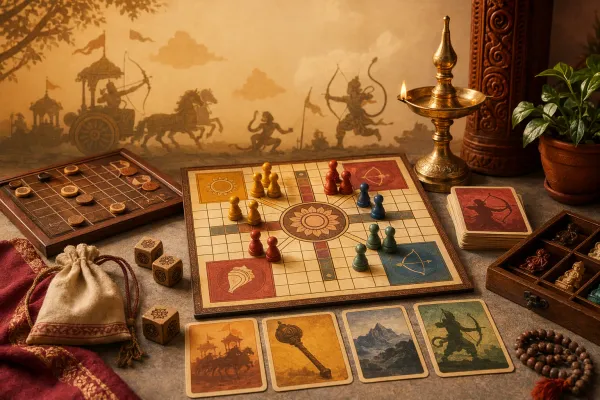
Mythology-themed board games can be meaningful when stories, symbols, deities, and epics are handled with context, care, and respect.
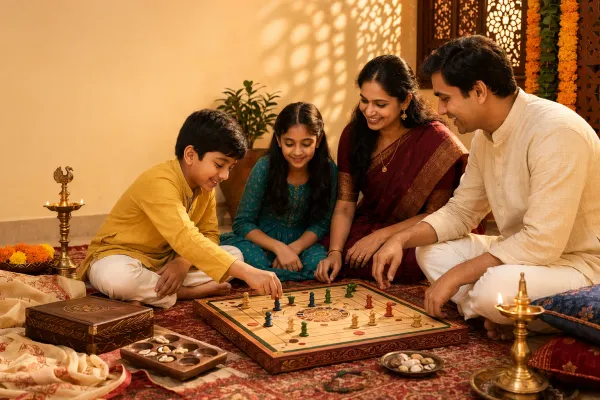
Indian board games can teach children counting, patience, memory, focus, cultural stories, fair play, and family bonding.
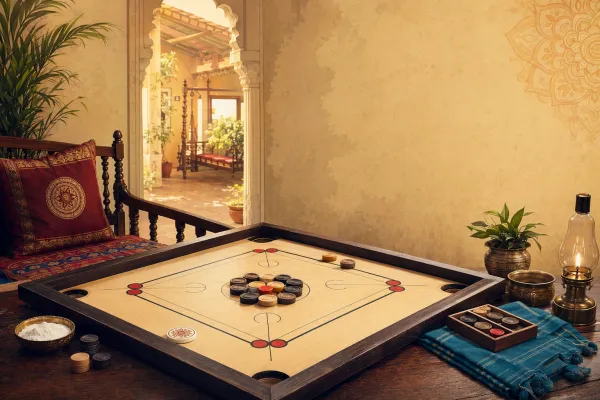
Carrom became loved in Indian homes and clubs because it is simple to begin, hard to master, social, compact, and full of skill.
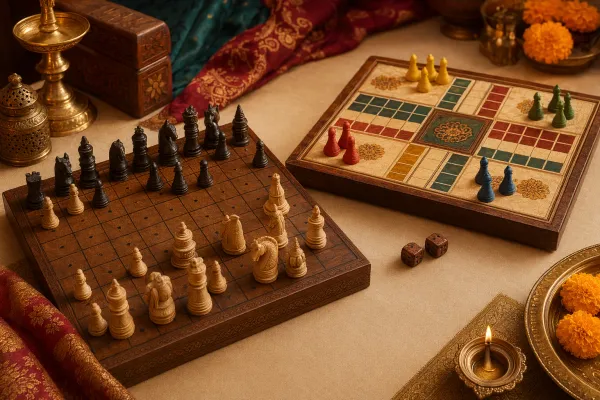
Chaturanga and Pachisi show two sides of Indian play culture: strategy, chance, planning, movement, and social learning.