
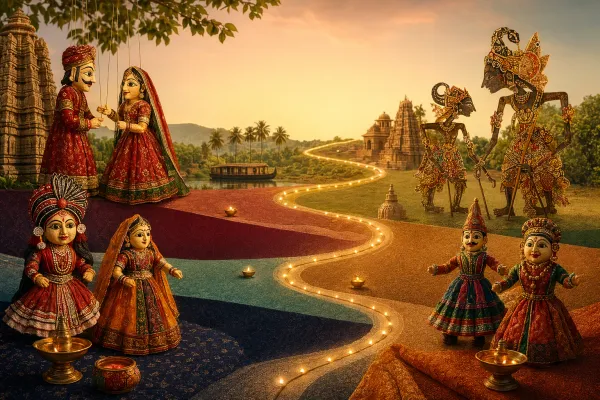
Indian Puppet Names and Regional Styles: A Beginner Map
Indian puppetry includes string, shadow, rod, and glove traditions. This beginner map introduces regional names, materials, stories, and performance settings.
Indian puppetry includes string, shadow, rod, and glove traditions. This beginner map introduces regional names, materials, stories, and performance settings.
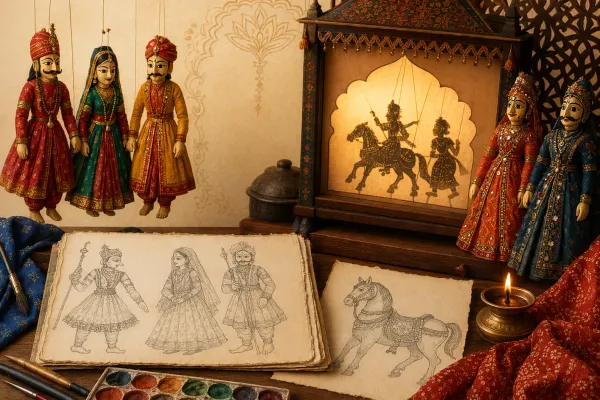
A visual guide for students learning Indian puppetry through drawing, images, costumes, materials, regional styles, and respectful use of references.
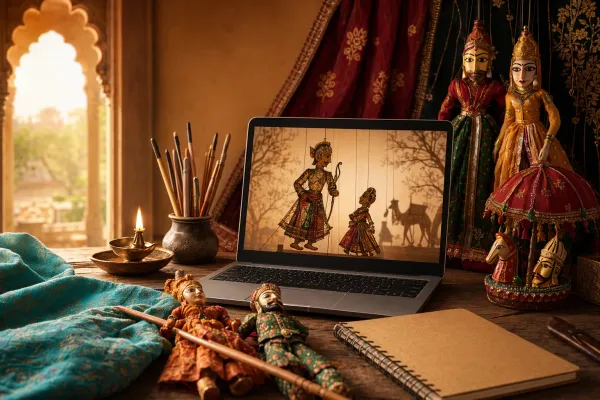
Learn where to watch Indian puppetry online through credible cultural sources, how to choose respectful videos, and how beginners can support living artists.
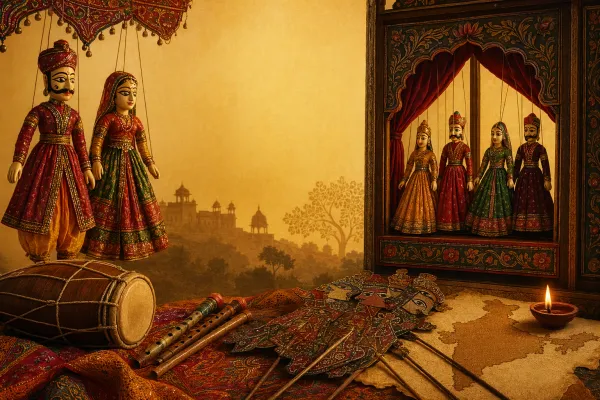
A clear student guide to Indian puppetry: its four major types, regional examples, cultural role, and simple exam-ready points without coaching-note jargon.
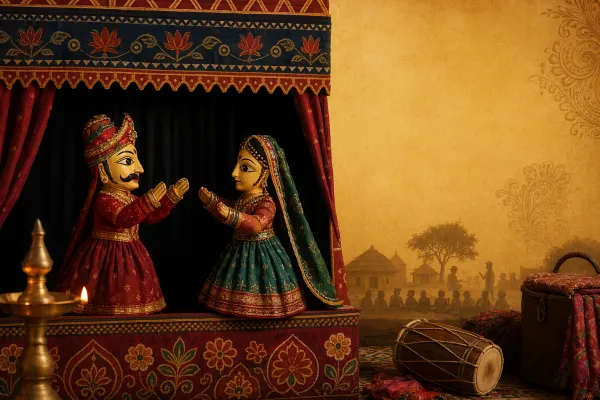
A clear guide to Indian glove puppetry: how hand-operated puppets move, where the traditions are found, and what happens during a performance.
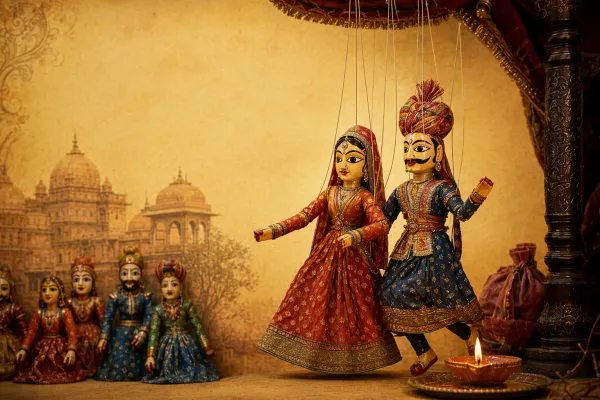
Explore how Indian string puppets differ across regions, from swift Rajasthani Kathputli figures to the large, dramatic Bommalattam puppets of Tamil Nadu.
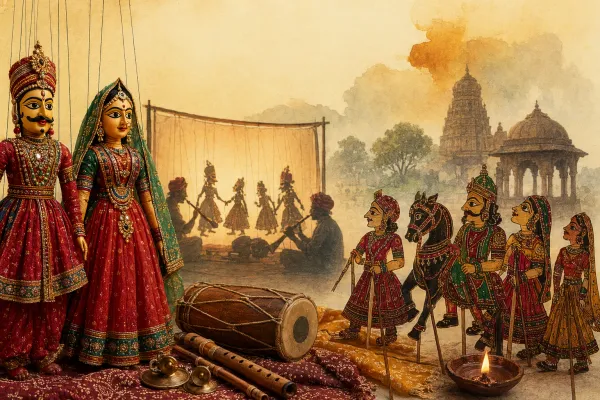
The history of Indian puppetry is the story of travelling artists, epic narration, regional craft, temple performance and communities that kept stories alive through moving figures.
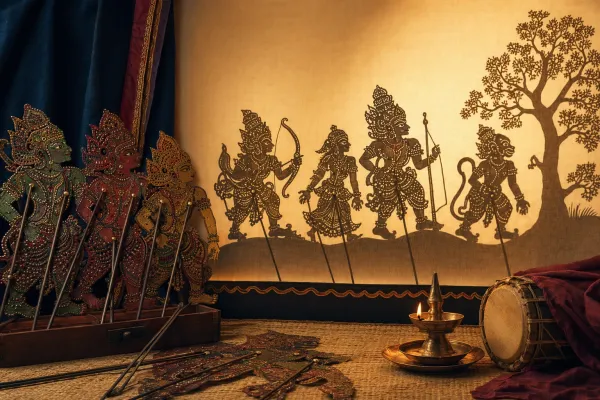
Learn how Tholu Bommalata turns translucent leather puppets, lamplight, music, and epic storytelling into one of India’s most vivid shadow-puppet traditions.
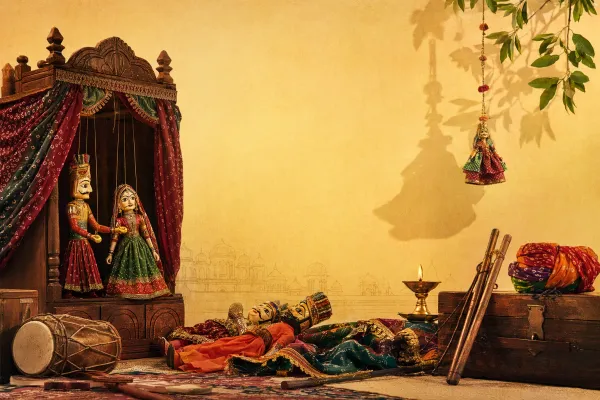
Indian puppetry is a living theatre tradition where carved, stitched or leather figures tell epics, folk tales and everyday stories through music, movement and voice.